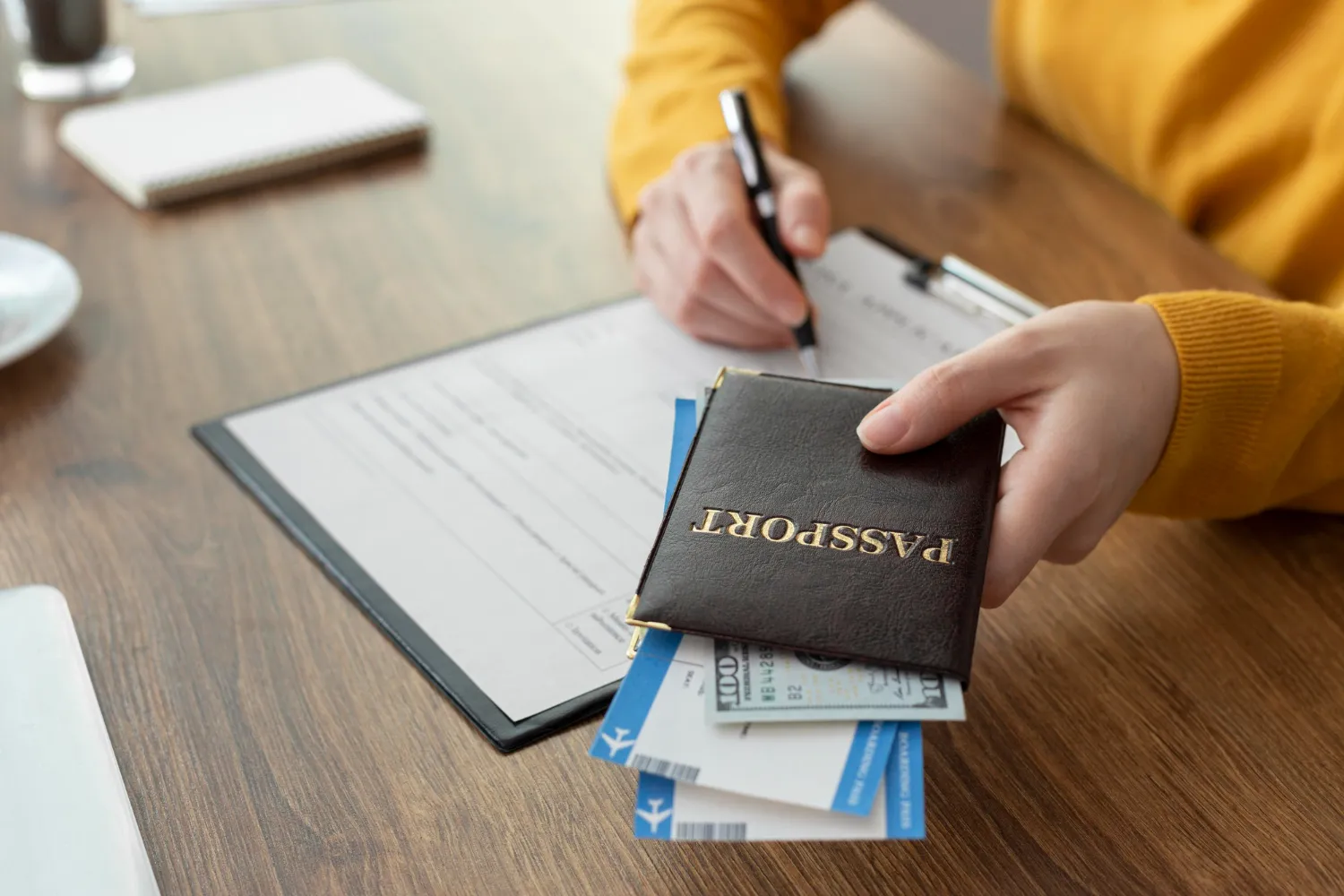





If you’re deciding between Bali vs Vietnam for your first international trip from India, the rule of thumb is actually quite simple. Choose Bali if you want a relaxing, deeply romantic island holiday where you can check into a luxury villa, hire a driver, and let the days melt away. On the other hand, choose Vietnam if you want a fast-paced, budget-friendly adventure moving across different cities, dramatic coastlines, and culturally rich historical towns.
Let’s be real. Planning a first-time international trip from India, especially if you are comparing honeymoon packages from India, is the ultimate planning test. You are suddenly thinking about immigration queues, using a new currency without getting scammed, and whether you will be able to find good vegetarian food. You want your first experience abroad to feel magical, not like a stressful checklist of travel logistics.
The good news? Both of these Southeast Asia honeymoon destinations are very safe, highly affordable, and extremely welcoming to Indian tourists. But they can feel entirely different once you land. Bali tour packages are built around a slow-paced leisure, wellness, and aesthetic luxury. Vietnam is a sprawling country built for exploration, incredible street food, and constant movement.
Let’s put them side-by-side so you can figure out exactly which one matches your travel style and confidence level.
Bali vs Vietnam: Side-by-Side Comparison
To give you a quick bird's-eye view, here is how both destinations stack up across the key parameters that matter most when travelling abroad for the very first time.
Which Is Easier for First-Time Travellers?
%20(4).webp)
When you land in a new country for the very first time, clarity reduces anxiety. You want to know exactly how to get from the airport to your bed.
Bali (Extra points for Convenience)
- Bali operates like a well-oiled tourism machine with clear and easy-to-understand airport signage. So, you don’t need to look around like a lost puppy.
- Travellers typically base themselves in one spot like Seminyak, Kuta or Ubud for the majority of the trip.
- You can hire private, English-speaking drivers for the whole day for approx. ₹2,500.
- Ride-hailing apps like Grab and Gojek work flawlessly for quick trips.
- English is spoken by almost everyone you interact with, making navigation completely effortless.
Vietnam (Requires Some Planning)
- Vietnam is a long and narrow country, which means you cannot just stay in one spot.
- A standard first-timer itinerary usually involves multiple hubs like flying into Hanoi, taking a domestic flight to Da Nang, and flying out of Ho Chi Minh City.
- It requires packing, unpacking and navigating multiple airports or train stations.
- Hotel staff and tour operators are fluent in English, but Google Translate is recommended for local street markets.
Important update: Both countries have introduced new digital entry rules to be aware of.
- Bali requires a mandatory Tourist Levy (~₹800) payable online.
- Vietnam has recently rolled out a mandatory online Health Declaration form and Digital Arrival Card for all incoming tourists.
Still worried about visa paperwork? Check out our complete guide to visa-free countries for Indian travellers.
Safety for First-Time Indian Travellers
Safety is usually the biggest worry for anyone leaving India for the first time. The good news? You can completely relax in both of these countries. Violent crime rates against tourists are basically unheard of.
Staying Safe in Bali:
- The culture in Bali is deeply rooted in hospitality, karma and respect.
- Avoid inflated street taxi fares by always using the Grab app or private transportation.
- Stick to bottled water and avoid tap water to prevent "Bali Belly”.
- Keep a tight grip on your valuable items, especially sunglasses, and loose items around the mischievous monkeys at Uluwatu and Ubud temples.
Staying Safe in Vietnam:
- It consistently ranks as one of the safest countries in Asia for tourists.
- The traffic looks terrifying, but it actually flows at a slow, predictable pace.
- Look to your left and right when crossing the road; the scooters will just weave around you.
- Keep your phone and purse secure when walking next to busy roads to avoid opportunistic bag-snatching by passing scooters.
Bali vs Vietnam for Honeymoon and Couples
When weighing Bali vs Vietnam for a honeymoon, it really comes down to how you two prefer to bond as a couple.
Bali
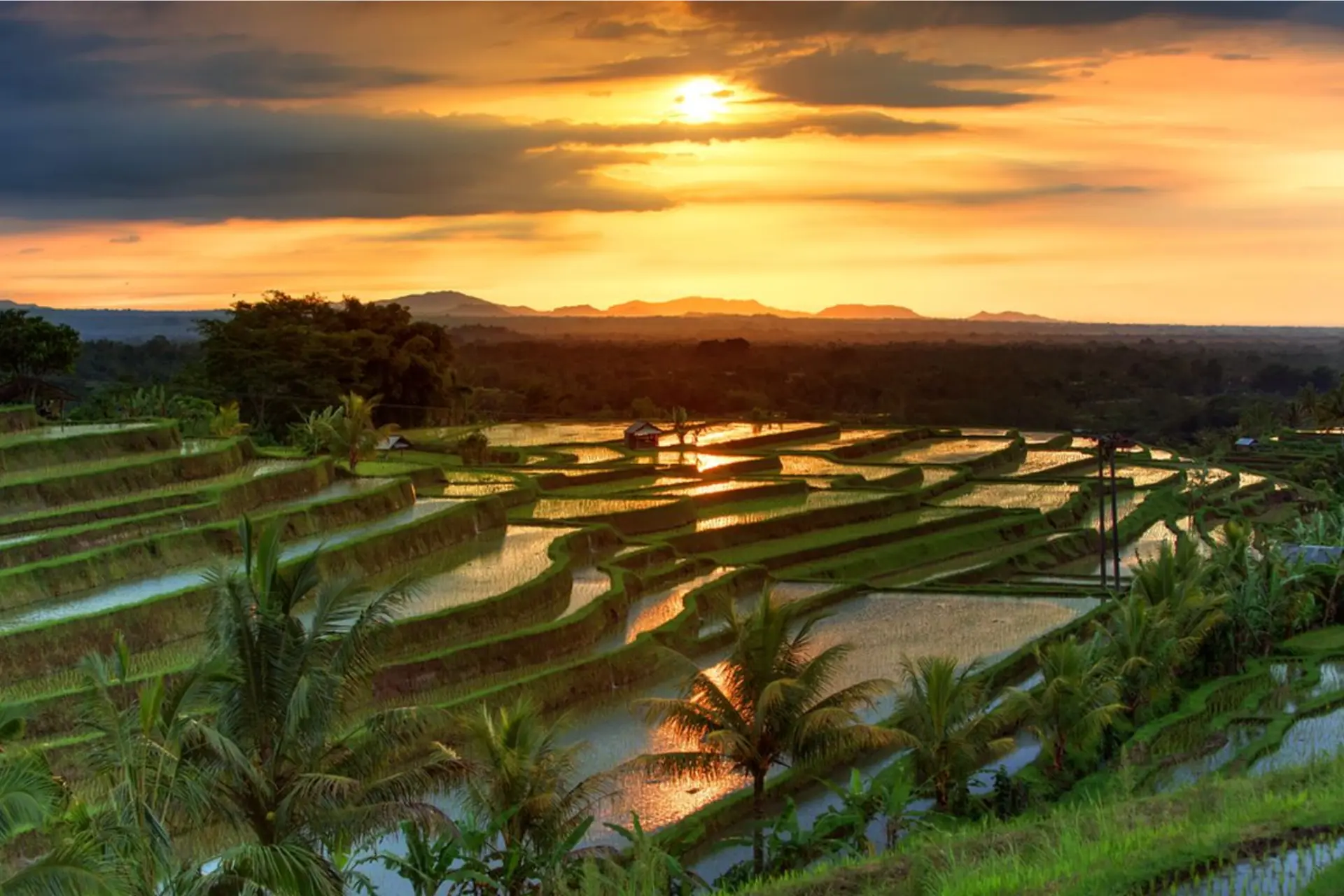
Bali takes the crown for the ultimate, classic luxurious island-lounging with amazing beaches.
- It’s designed for couples who want to be pampered in peace after a big, exhausting wedding.
- Features floating breakfasts in private pool villas surrounded by the lush Ubud jungle.
- Offers afternoons lounging on daybeds at cliffside beach clubs.
- Perfect for candlelit seafood dinners on the sands of Jimbaran Bay.
Vietnam
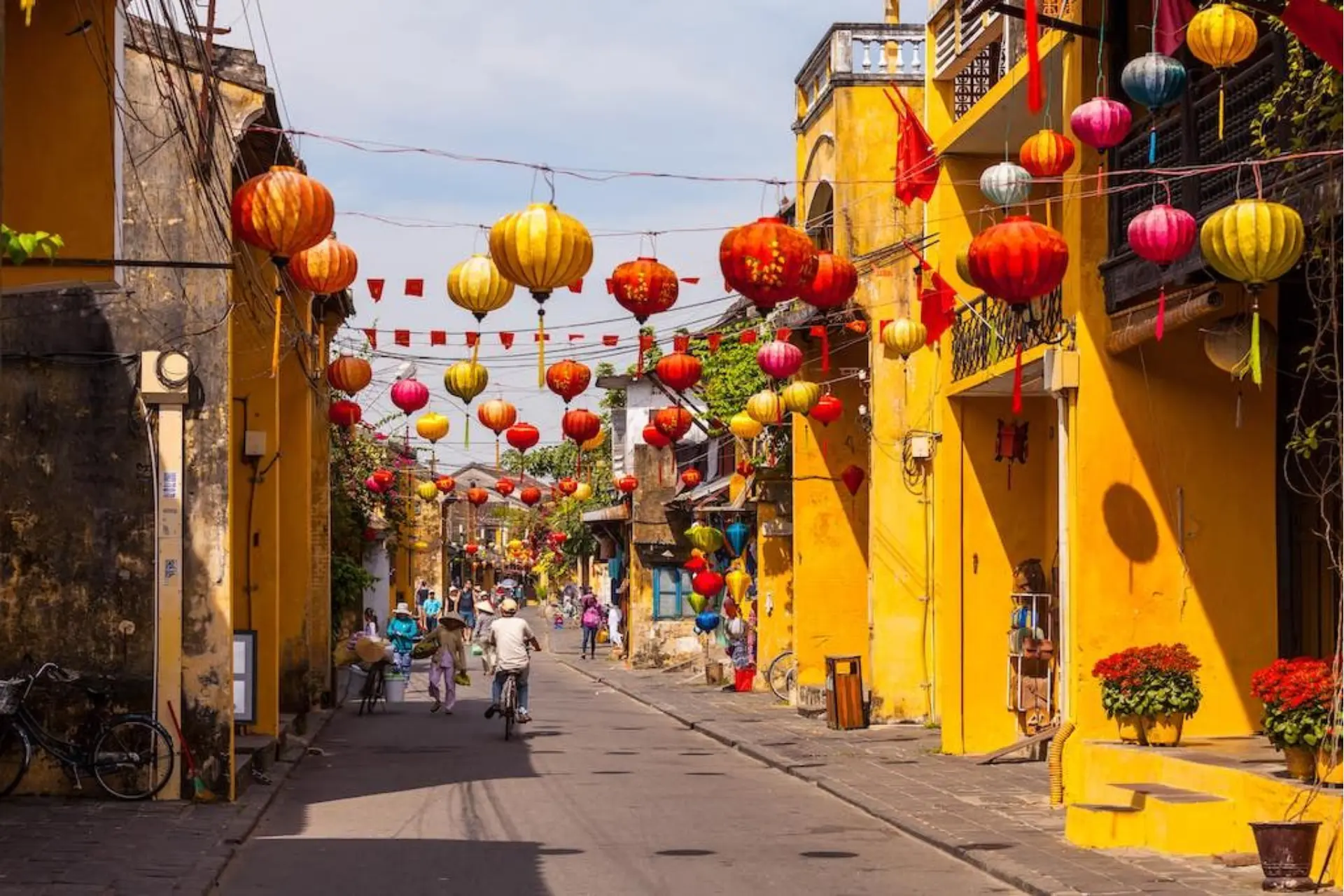
Vietnam offers a much more adventurous, dynamic kind of romance.
- Ideal for couples who want to explore together and make unique memories.
- You get to wake up on luxury boutique cruise ships surrounded by the limestone karsts of Ha Long Bay.
- It offers cultural experiences like drinking rich egg coffee in hidden Hanoi cafes.
- Vietnam is perfect for walking hand-in-hand through the glowing, lantern-lit streets of ancient Hoi An at night.
Which Is Cheaper, Bali or Vietnam?
If you’re asking, "Bali or Vietnam, which is cheaper?" Vietnam is the undisputed winner when it comes to saving money and getting the maximum value out of your travel budget.
Flight Costs:
Round-trip flights from India to both destinations are similar, usually hovering between ₹18,000 and ₹25,000 if booked in advance.
Vietnam (The Budget Winner):
- A bowl of world-class Pho or a fresh Banh Mi sandwich on the street costs less than ₹150.
- A local draft beer (Bia Hoi) costs roughly ₹30.
- Gorgeous, highly-rated 4-star boutique hotels in the heart of the city run just ₹3,000 to ₹4,000 a night.
- It is incredibly easy to experience a luxury trip on a mid-range budget.
Bali (The Premium Aesthetic):
- Still very affordable compared to Europe or the Maldives, but its global popularity means you pay a premium for the aesthetic.
- Trendy cafes, luxury beach clubs, and private pool villas all command higher prices.
Dietary Winner:
- Bali wins heavily on dietary convenience. It has many plant-based cafes, vegan warungs, and fantastic Indian restaurants.
- In Vietnam, local cuisine heavily relies on fish sauce and meat broths, requiring an extra effort for vegetarians.
Planning a summer wedding? Explore our curated list of the best countries to visit in July.
Final Verdict
Still on the fence about your first trip? Here is the easiest way to make your final choice.
Choose Bali if...
- You want a slow, relaxing holiday where you don't have to pack your bags and change hotels every few days.
- You need high English comfort and easy, stress-free access to vegetarian or Indian food.
- You want the absolute simplest entry process (the Bali visa on arrival for Indians takes just minutes at the airport).
- You want a classic, deeply romantic resort experience centred around private villas, spas, and beach clubs.
Choose Vietnam if...
- You want to stretch your budget to the absolute maximum without sacrificing quality.
- You are excited by the idea of exploring bustling cities, dramatic mountains, and coastal towns all in one trip.
- You don't mind applying for the Vietnam visa for Indians online a few weeks before you fly.
- You love street food culture, history, and fast-paced city energy.
Planning a multi-city Vietnam expedition or a curated Bali villa stay doesn't have to be a stressful chore. At 30 Sundays, we know that planning your first international trip can feel overwhelming. That is why we handle the flights, the visa paperwork, the local transfers, and the hand-picked 8+ rated boutique hotels, so you can just focus on packing your bags and enjoying the romance.
Frequently Asked Questions
Is Bali or Vietnam cheaper from India?
Vietnam is generally much cheaper than Bali. While round-trip flight costs from India are very similar for both destinations, your daily on-ground expenses for local street food, ride-hailing cabs, and mid-range 4-star boutique hotels are significantly lower in Vietnam.
Is Bali or Vietnam better for a honeymoon?
Bali is better if you want a relaxed, luxury resort honeymoon filled with private pool villas, floating breakfasts, and couples' spa days. Vietnam is better if you are an adventurous couple who wants to explore different cities, take a scenic Ha Long Bay cruise, and dive into local culture together.
Do Indians need a visa for Bali and Vietnam?
Yes, both destinations require visas, but the processes are simple. You can get a Visa on Arrival (VoA) for Bali directly at the airport when you land. For Vietnam, Indian citizens must apply for an e-Visa online a few days before their flight.
What is the best time to visit Bali and Vietnam?
The best time to visit Bali is during its dry season, which runs from April to October. Vietnam is a long country with varied regional weather, but Spring (February to April) and Autumn (August to October) are generally the most comfortable, pleasant months to travel nationwide.
Which has better beaches, Bali or Vietnam?
Bali generally has better, more iconic beaches that are geared toward surfing, breathtaking sunsets, and luxury beach clubs (like those in Uluwatu and Seminyak). Vietnam has beautiful coastal spots like Da Nang and Phu Quoc, but the local infrastructure isn't as heavily focused on all-day beach lounging as Bali is.
Are Bali and Vietnam safe for first-time Indian travellers?
Yes, both countries are incredibly safe for tourists. Violent crime is extremely rare. You just need to be street-smart about minor things, like avoiding unmetered street taxis in Bali, keeping your phone secure from passing scooters in busy Vietnamese cities, and only drinking bottled water.



.webp)