




Not every couple wants beach parties, packed viewpoints, or waiting in lines for sunset photos.
Some trips are about slowing down. Late breakfasts. Empty stretches of sand. Long scooter rides without traffic noise. Conversations that don’t compete with background music.
Bali and Vietnam are both romantic in their own ways. Both offer beaches, scenery, culture, and beautiful stays. But they handle tourism differently, and that difference affects how peaceful your trip feels.
So instead of asking which destination is more popular, let’s focus on something more specific:
Where can couples actually breathe easier?
Tourist Density Feel
Crowds change mood. Even beautiful places feel different when shared with hundreds of people.
Let’s compare realistically.
Bali (Region Wise)
Bali is compact. That’s its beauty, and sometimes its challenge.
Highly Commercial Hotspots
Some experiences in Bali are extremely popular and often come with visible crowd pressure, waiting time, and quick photo-style visits rather than slow romantic moments.
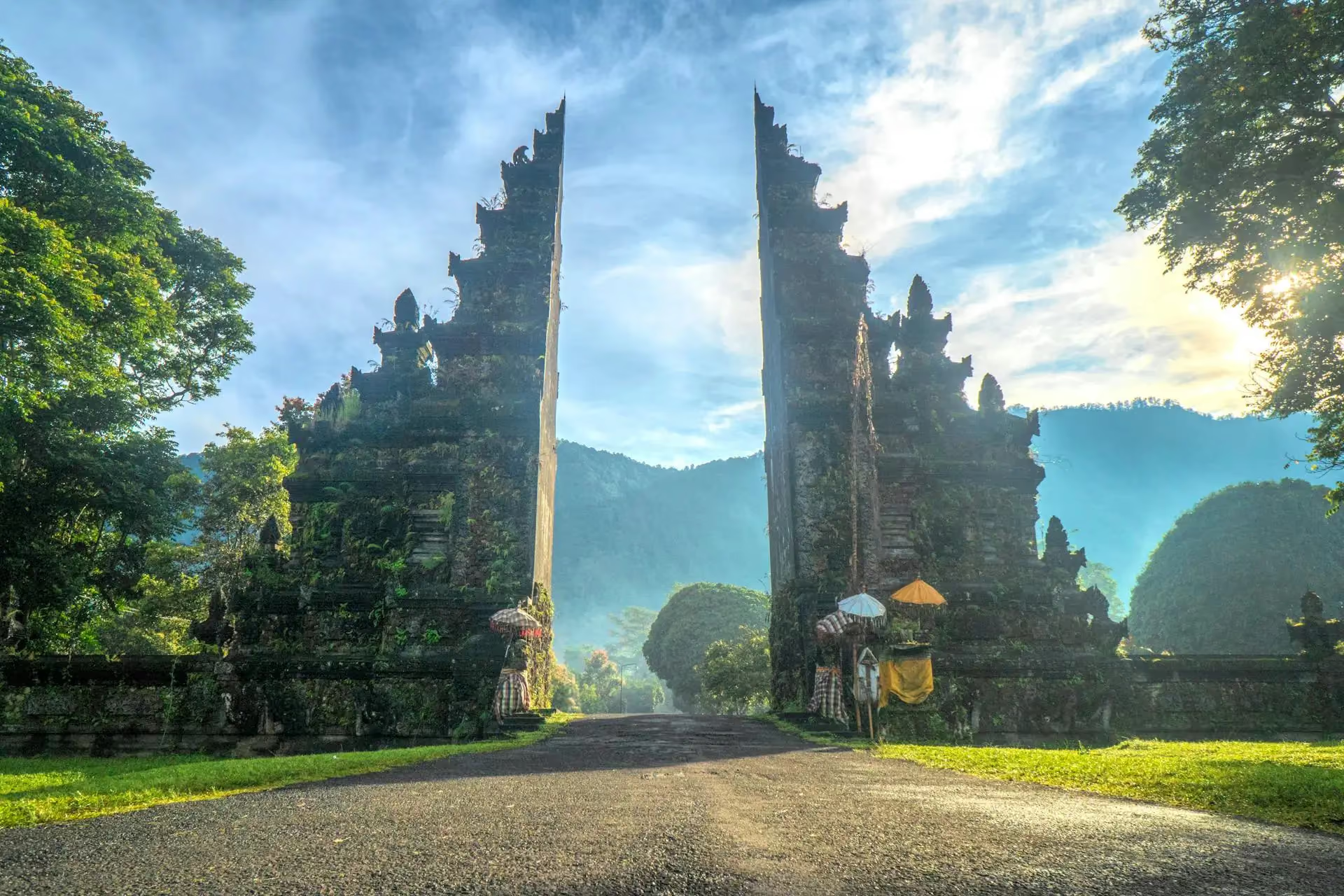
- Handara Gate (Bali): The experience is mostly waiting in queue, taking photos, and then leaving.
- Lempuyang Temple (Gate of Heaven): Beautiful and iconic, yet heavily crowded.
- Watersports at Tanjung Benoa: Jet skis, banana boats, and parasailing are exciting but highly commercialized. Activities are short.
- Normal Bali Swings: Many roadside swings are overly crowded and rushed.
In these areas, traffic builds up, restaurants require reservations, and beach sunsets often come with large crowds.
Bali’s tourism energy feels concentrated. Everything is close, including people.
Quieter or Slower Areas
Bali does offer calmer corners:
- Sidemen: Rice fields, minimal tourism
- Munduk: Mountain air, waterfalls, fewer crowds
- Amed: Slower coastal town
- North Bali: Less commercial, more local
These areas feel significantly more peaceful. But they require intentional planning. Bali’s default tourist belt (South Bali) is active and social.
Turn your Bali dreams into real plans with 30 Sundays tour packages.
Vietnam (Region Wise)

Vietnam spreads tourism across a much larger geography.
Highly Commercial Hotspots
Some areas attract heavy visitor numbers:
- Ho Chi Minh City (District 1): Urban, energetic
- Danang: Bana Hills with Golden Bridge is very crowded
- Da Nang: Coconut Forest, Marble Mountain, Hoi An City Tour in one day can feel rushed
- Phu Quoc: Kiss of the Sea Show in Sunset Town is commercialised
Vietnam’s hotspots can feel busy, but they’re not as tightly packed as Bali’s southern belt.
Quieter or Less Crowded Areas
Vietnam’s advantage is space:
- Ninh Binh: Wide open landscapes
- Ha Giang Loop: Remote mountain roads
- Sapa (non-peak months): Calm trekking regions
- Con Dao Islands: Low-density beach escapes
Because Vietnam is geographically larger, crowd distribution feels more spread out. Even in popular regions, space often softens the density.
Type of Experiences – Crowd Impact
Now let’s compare how crowds affect actual couple experiences.
Beaches
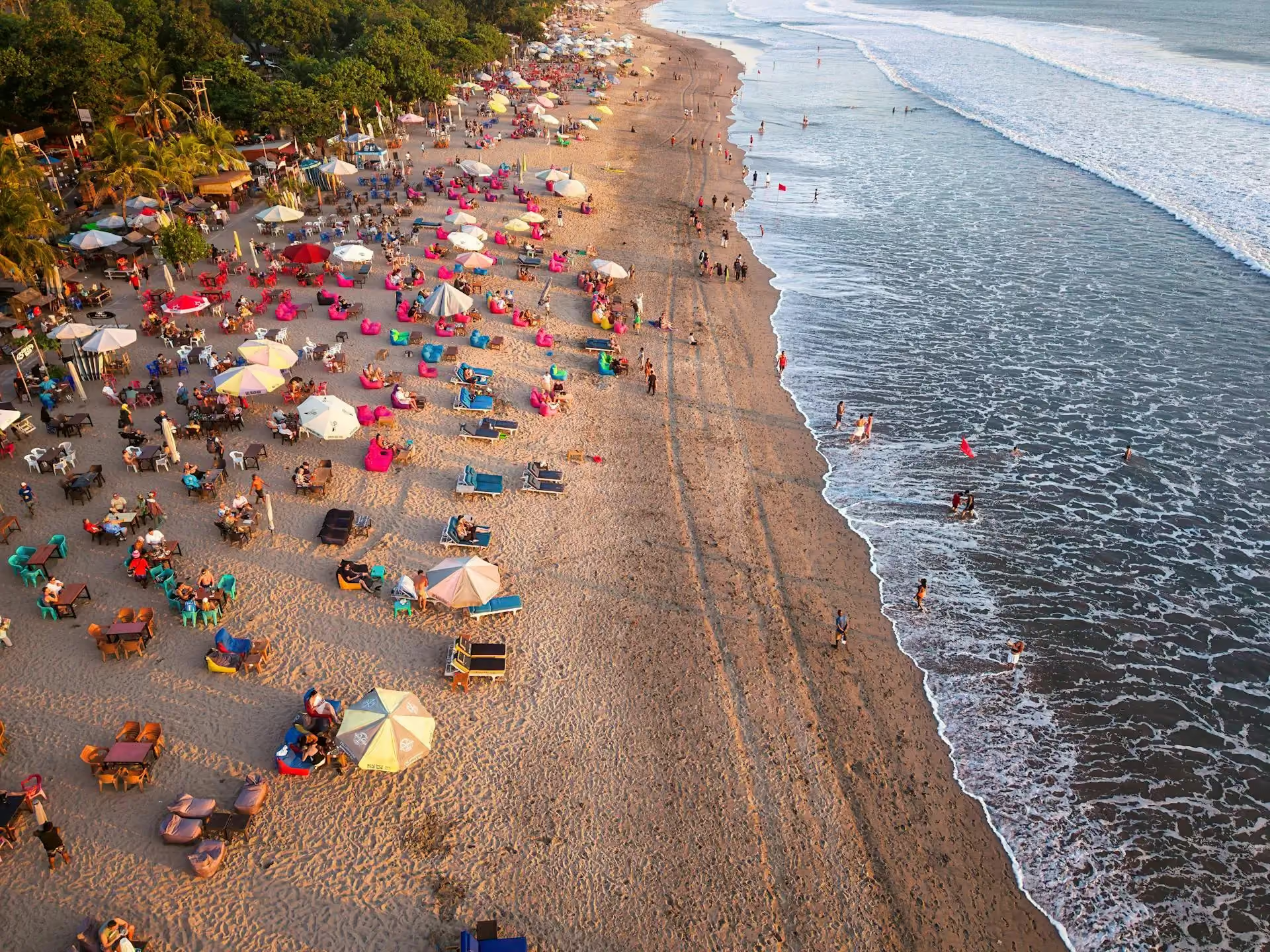
Bali Beaches: Seminyak and Canggu beaches are lively and social. Beach clubs add music and event energy. For quiet sand, you must move north or east.
Vietnam Beaches: Phu Quoc and Da Nang beaches can be active near central strips, but many stretches remain open and less commercialized. Smaller islands like Con Dao feel far more secluded.
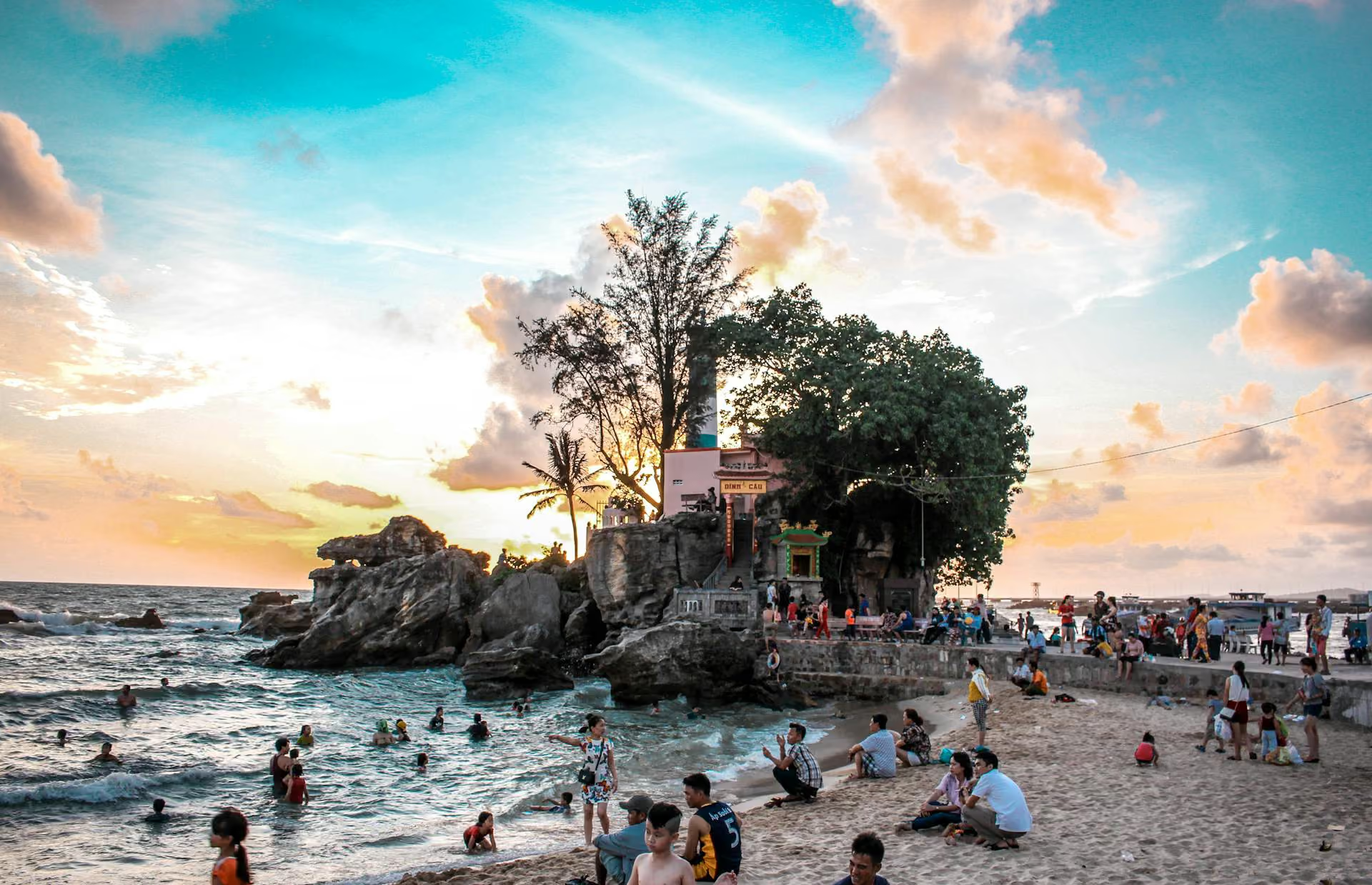
If you want spontaneous empty shoreline walks, Vietnam has more naturally quiet options.
Cafes & Slow Mornings
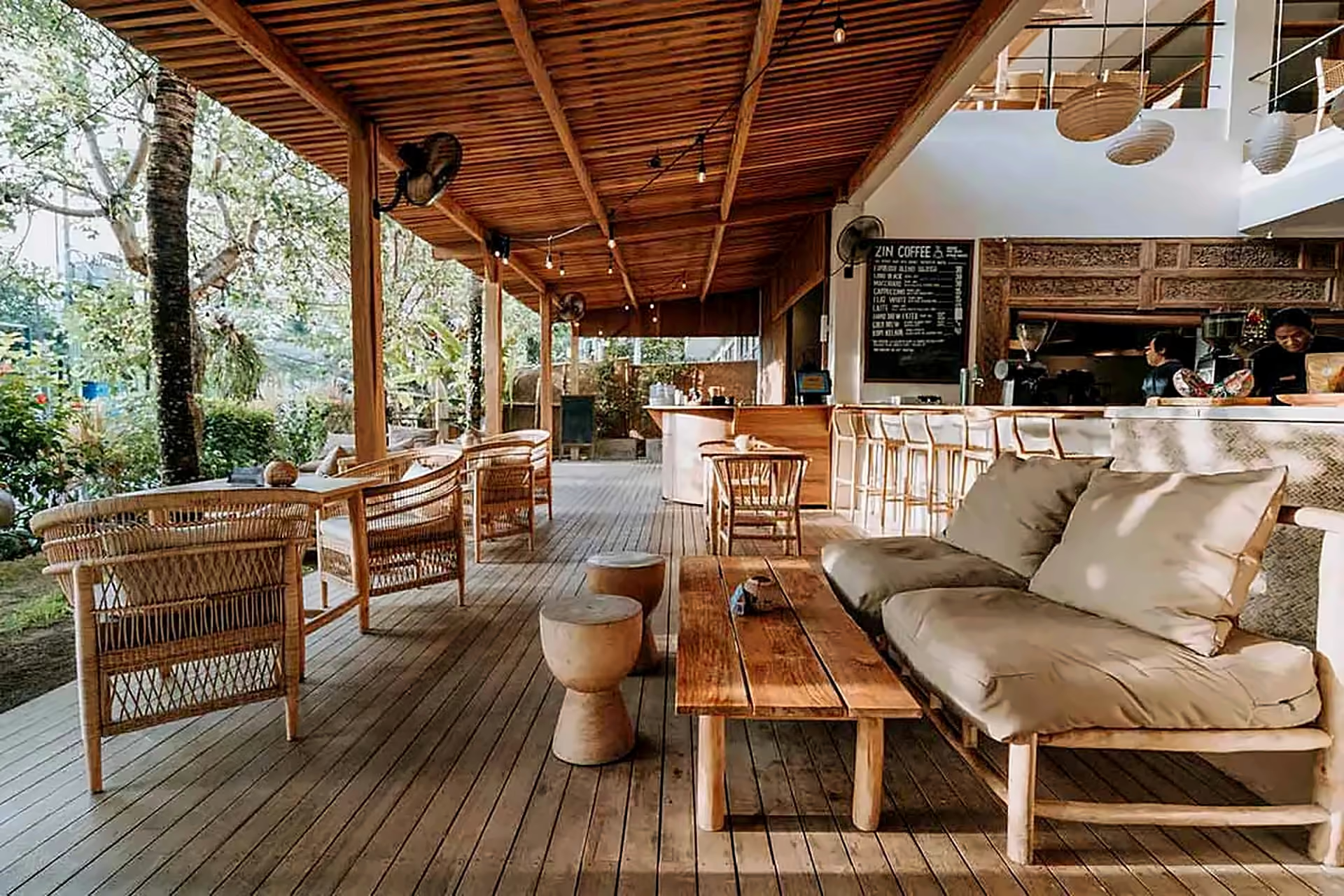
Bali Cafes: Canggu and Ubud have stunning café culture. But they’re popular. Expect full tables and social buzz, especially late mornings.
Vietnam Cafes: Hanoi and Da Nang offer cozy café culture too, but tourist density spreads across neighborhoods. It’s easier to find quiet corners outside peak lantern or Old Quarter zones.
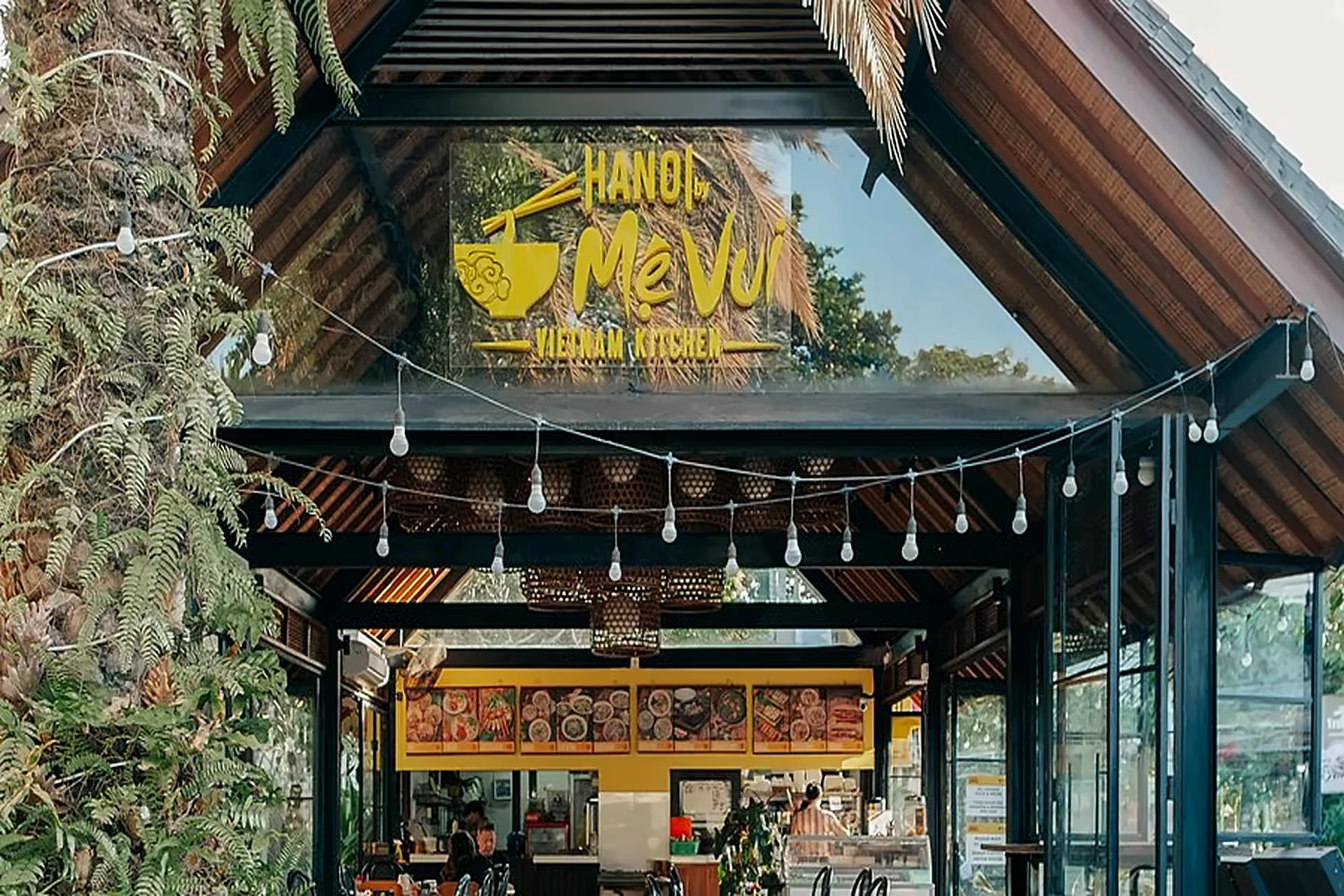
Vietnam’s café atmosphere often feels less performance-driven and more relaxed.
Tours & Day Trips
Bali Tours: Waterfalls, temples, and Instagram viewpoints often follow similar routes. Traffic between attractions can build quickly.
Vietnam Tours: Boat tours and treks can be group-based, but landscapes are larger and less condensed. In places like Ha Giang or Ninh Binh, the environment itself absorbs the crowd.
In Bali, crowd presence feels visible. In Vietnam, nature often dilutes it.
Scenic Movement
Bali: Distances are short, but traffic congestion is common in South Bali. Romantic drives can turn into slow traffic stretches.
Vietnam: Longer travel distances, but less consistent congestion outside major cities. Scenic mountain or countryside drives feel more open.
Privacy vs Convenience Tradeoff
Now let’s talk about balance.
Bali – Compact and Social
Bali offers:
- Close proximity between attractions
- Stylish resorts and villas
- Strong couple-friendly café culture
- Easy day planning
But because it’s compact, tourism clusters heavily in the south.
Privacy often requires:
- Booking private villas
- Choosing offbeat northern regions
- Avoiding peak sunset times
Bali feels romantic, but not automatically quiet.
Vietnam – Wider and More Spread Out
Vietnam offers:
- Larger geographical spread
- Mountains + beaches + countryside
- Lower tourist density outside hotspots
- Open landscapes
But it requires slightly more movement and planning.
Convenience is improving, but it’s not as tightly packaged as Bali’s tourism model.
Vietnam offers natural quiet more easily, but less curated polish.
Final Verdict
If you imagine your romantic trip as a stylish villa stay with curated cafés, beach clubs, and easy logistics, Bali delivers beautifully. But it comes with visible tourism energy, especially in South Bali.
If you imagine long scenic drives, wider landscapes, mountain air, or quiet coastal stretches with fewer curated setups, Vietnam feels more naturally spacious.
So the decision isn’t about which is better.
It’s about what kind of silence you prefer.
If you want curated romance with vibrant social energy around you, Bali works.
If you want an organic quiet where nature softens the crowd, Vietnam offers more breathing room.
Both destinations can be romantic.
But for couples who genuinely dislike crowds and want more open space by default, Vietnam edges ahead in natural calm.
Frequently Asked Questions
Which is a better place to visit, Bali or Vietnam for couples?
If you prefer curated villas, beach clubs, and compact travel planning, Bali feels easy and romantic. If you want wider landscapes, scenic drives, and naturally quieter regions, Vietnam offers more breathing space. It depends on whether you value convenience or open calm.
Is the nightlife better in Bali or Vietnam?
Bali has a stronger, more concentrated nightlife scene in areas like Seminyak and Canggu with beach clubs and sunset parties. Vietnam’s nightlife exists in cities like Hanoi and Ho Chi Minh City, but it feels more urban and less beach-centric. For vibrant party energy, Bali is stronger.
Is Bali worth visiting or too touristy?
Bali is absolutely worth visiting, but parts of South Bali can feel heavily touristy and crowded. If you explore quieter regions like Sidemen or North Bali, the island feels far more peaceful and authentic. The experience depends heavily on where you stay.