


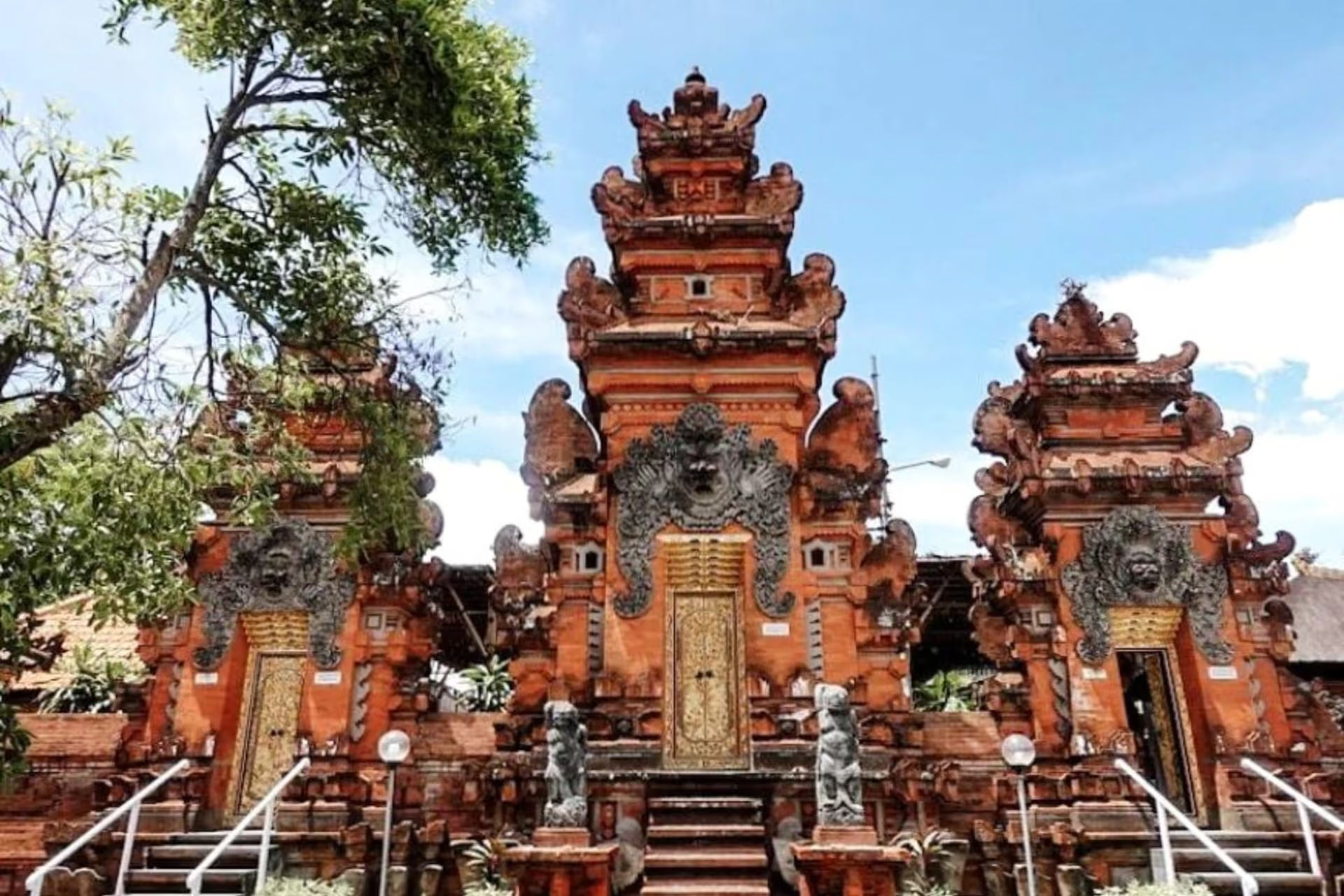


Although Seminyak is famed for its beaches, nightlife, and extravagant resorts, it is not known for its cultural landmarks. Pura Petitenget, however, is one of the few. Less than a stone's throw from the beach, the temple is a portal to Bali's old traditions and religious practices.
While this temple may not be the most majestic among Bali's countless places of worship, it provides a quick retreat from the bustle of Seminyak and is well worth visiting. Here is what you need to know before planning your visit.
Table of Contents:
- Tripadvisor Rating and Reviews
- What Did Visitors Like?
- What Did Visitors Not Like?
- Pro Tips to Keep in Mind
- The Basic Things to Know
- Deep Dive into Finer Aspects
- Other Things To Do Near Petitenget Temple
- Hotels Near Petitenget Temple
- Restaurants Near Petitenget Temple
- The Final Verdict
- FAQs
Tripadvisor Rating of Petitenget Temple
Tripadvisor rating: 3.5 (126 reviews)
- Excellent: 39
- Very good: 41
- Average: 30
- Poor: 6
- Terrible: 10
Barely any historical or cultural attractions are in Seminyak, making Petitenget Temple among the few places to taste Bali's spiritual heritage. This small temple, however, presents a fascinating Balinese architectural exhibit, with elaborate carvings, dragons in its statues, and a peaceful courtyard.
If you are interested in temple culture, this is a good introduction to many. However, it might not be regarded as impressive compared to larger temples like Pura Tirta Empul in Ubud, Pura Besakih in Karangasem, or even Taman Ayun in Mengwi. The site provides limited information on the temple's historical background, so reading up on it before a visit might significantly enhance the experience.
Walking the temple complex will take no more than 15 or 20 minutes. If time permits, western tourists in Seminyak who find it worthwhile should visit some of the more famous temple sites in Bali.
What Did Visitors Like About Petitenget Temple?
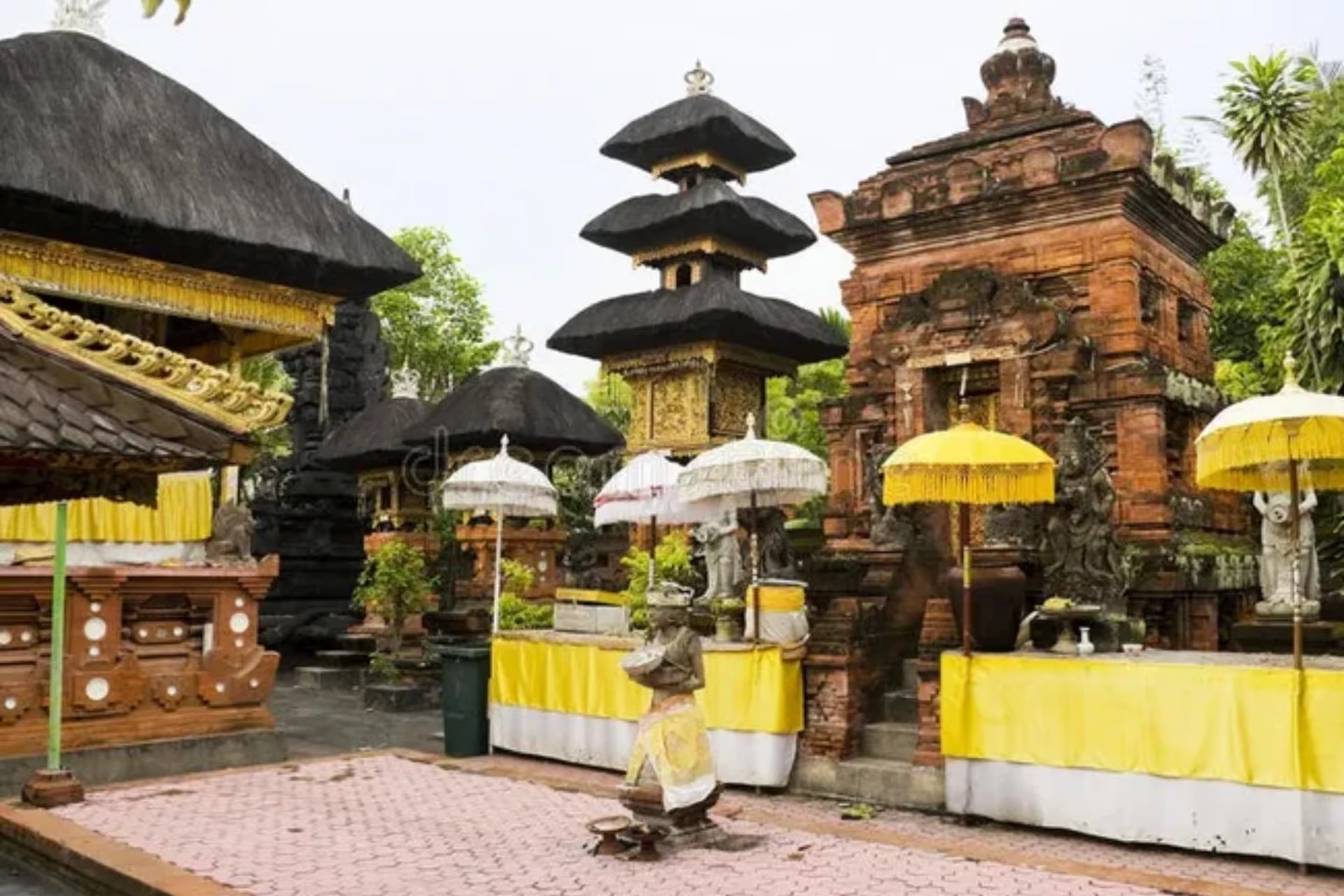
Petitenget Temple, one of Bali’s revered sea temples, is a cultural and spiritual landmark that captivates visitors with its mystical charm. Nestled near the vibrant Seminyak Beach, this ancient temple offers a glimpse into Bali’s deep-rooted traditions, stunning architecture, and tranquil ambiance. From its rich history to its picturesque setting, here’s what visitors love most about this sacred site:
- Peaceful Atmosphere: Many visitors appreciated the temple’s quiet and serene environment, providing a break from Seminyak’s otherwise bustling streets.
- Traditional Balinese Architecture: The intricate carvings, split gates (candi bentar), and dragon statues at the entrance left a lasting impression on visitors.
- Easy Accessibility: Its location near Petitenget Beach makes it a convenient stop for travelers staying in Seminyak.
- Cultural Experience: Visitors who took the time to understand the temple’s history and legends, like the story of Buto Ijo, found it a fascinating cultural site.
- Great for Quick Visits: The small temple complex allows visitors to explore it in under 20 minutes while still getting a glimpse of Bali’s spiritual heritage.
What Did Visitors Dislike About Petitenget Temple?
While Petitenget Temple holds cultural and spiritual significance, some visitors found certain aspects less enjoyable. Factors such as maintenance, accessibility, and local regulations may affect the overall experience. Here are some common concerns shared by visitors:
- Limited Information Available On-Site: Several visitors noted that there weren’t many plaques or guides explaining the temple’s history, making it less engaging for those unfamiliar with Balinese culture.
- Not as Grand as Other Temples: Compared to major temples like Tanah Lot, Pura Besakih, or Tirta Empul, Petitenget Temple is quite small and lacks extensive temple grounds.
- Entrance Fee Concerns: Some travelers found the entrance fee of 50,000 IDR a bit high for what the temple offers, especially since there are larger, more well-maintained temples in Bali with similar fees.
- Limited Access to Inner Courtyard: Visitors were disappointed that certain sections, especially of Masceti Temple, were often closed to the public.
- Surrounding Area Not Very Traditional: Unlike temples in Ubud or Uluwatu, the area around Petitenget Temple is commercialized, reducing the immersive cultural experience.
Pro Tips to Keep in Mind About Petitenget Temple
To make the most of your visit to Petitenget Temple, it’s important to be prepared and aware of local customs. From appropriate attire to the best time to visit, these tips will help you enjoy a smooth and respectful experience at this sacred Balinese site:
- Read Up Before Visiting: Since there’s little information available on-site, researching the temple’s history beforehand will enhance your experience.
- Visit During Non-Ceremonial Times: If you want access to the inner courtyard of Petitenget Temple, check beforehand whether any ceremonies are happening, as these areas might be restricted.
- Carry Cash: The entrance fee and parking charges must be paid in cash, and the nearest ATMs are a short walk away.
- Pair Your Visit with Petitenget Beach: Since the temple is right next to the beach, it’s best to visit around sunset for beautiful coastal views.
- Dress Modestly: As with all Balinese temples, visitors must wear a sarong and sash (provided with the entrance fee). Covering shoulders and knees is recommended as a sign of respect.
Basic Things to Know About Petitenget Temple
Petitenget Temple is one of Bali’s important sea temples, known for its spiritual significance and unique coastal location. It offers a glimpse into Bali’s rich cultural heritage, making it a great stop for those exploring the Seminyak area. Here are some essential details to keep in mind before visiting:
Location and Opening Hours
Petitenget Temple is located in Seminyak, near Petitenget Beach. It is open daily from morning to evening, but visiting during ceremonial events offers the most authentic cultural experience.
Entrance Fee and Dress Code
Visitors are required to wear a sarong and sash, which can be rented at the entrance. There is a small donation-based entry fee, contributing to the temple’s maintenance.
Best Time to Visit
The best time to visit is during temple ceremonies, which are held regularly as part of Bali’s religious traditions. Sunset visits are also popular, as the temple’s location near the beach provides a stunning backdrop.
Cultural and Spiritual Etiquette
As an active place of worship, visitors should dress modestly, remain respectful, and avoid loud behavior. Photography is allowed, but avoid taking photos inside shrines or disturbing ceremonies.
Nearby Attractions
The temple is close to Petitenget Beach, popular beach clubs, and high-end restaurants, making it easy to include in a Seminyak day trip. Many visitors combine a cultural visit with a relaxing beachside experience.
Deep Dive into Finer Aspects of Petitenget Temple
Beyond being a historical and spiritual site, Petitenget Temple has deeper cultural and architectural significance. Here are some key aspects that make it unique:
The Temple’s Historical Importance
Petitenget Temple is one of Bali’s key sea temples, believed to protect the island from negative spirits coming from the ocean. It is part of a network of sacred coastal temples, which includes the famous Tanah Lot.
Traditional Balinese Architecture
The temple features intricate stone carvings, tiered shrines, and striking red-brick structures, reflecting classic Balinese architectural styles. The atmosphere is both peaceful and mystical, especially during religious ceremonies.
The Connection to Local Legends
According to Balinese folklore, the temple was built to appease a powerful spirit, ensuring balance and protection for the surrounding area. This legend adds to its spiritual aura and significance among locals.
Role in Balinese Hindu Ceremonies
The temple remains an active place of worship, hosting regular offerings, prayers, and special Hindu ceremonies. Visitors may witness traditional rituals and colorful processions, offering a glimpse into Bali’s deep spiritual traditions.
Other Things to Do Near Petitenget Temple
Since the temple is centrally located in Seminyak, there are several nearby attractions to explore after your visit:
Petitenget Beach
Just a short walk away, Petitenget Beach is a beautiful spot for sunset views, beach walks, and relaxing by the ocean. It’s less crowded than Kuta Beach, making it a great place to unwind.
Seminyak’s Beach Clubs
Some of Bali’s most famous beach clubs, such as Potato Head Beach Club and Ku De Ta, are located nearby. These venues offer luxurious beachfront lounging, delicious cocktails, and live music.
Shopping and Dining in Seminyak
Seminyak is known for its high-end boutiques, stylish cafés, and gourmet restaurants. Visitors can explore trendy shopping streets or enjoy a fine dining experience after their temple visit.
Tanah Lot Temple
If you’re interested in Bali’s sea temples, you can also visit Tanah Lot, one of the island’s most iconic religious sites, located about 45 minutes from Petitenget Temple.
Hotels Near Petitenget Temple
These hotels are located in the Petitenget/Seminyak area, providing relatively easy access to Petitenget Temple:
Restaurants Near Petitenget Temple
These Restaurants are providing relatively easy access to Petitenget Temple:
The Final Verdict: Is Petitenget Temple Worth Visiting?
Petitenget Temple is a small but culturally significant site, offering visitors a blend of history, spirituality, and scenic beauty. While it may not be as grand as other Balinese temples, its location near the beach and connection to Balinese traditions make it a worthwhile stop. Whether you’re interested in Bali’s spiritual heritage and architecture or simply looking for a quiet cultural experience in Seminyak, this temple provides a peaceful and enriching visit.
Frequently Asked Questions
What is the significance of Petitenget Temple?
It is part of Bali’s sea temple chain, believed to protect the island from negative forces. The temple is associated with spiritual guardian Hyang Batara Petitenget and plays a key role in Balinese Hindu rituals.
What are the temple's opening hours?
Petitenget Temple is generally open daily from 6:00 AM to 6:00 PM for visitors. However, access may be restricted during ceremonies.
Is photography allowed inside the temple?
Yes, but visitors must be respectful. Avoid taking photos during prayers or disturbing ceremonies. Drones may not be permitted without special permission.
















.avif)


