



Bali is famously called the Island of Gods, a name that perfectly reflects this country's spiritual depth and cultural richness. Unlike other destinations, this island is alive with devotion, daily rituals, and sacred ceremonies that connect visitors to its divine energy. For couples and spiritual travelers, Bali offers more than scenic beauty; it provides an experience of the soul.
The island’s Hindu traditions are visible everywhere, from temple shrines to daily offerings in homes and streets. Temples are not just architectural marvels but living spaces of worship where ceremonies, dance, and music tell stories of gods and legends. These sacred rituals give travelers a glimpse into why Bali is called the island of gods.
Couples visiting Bali can enjoy intimate moments at cliffside temples, serene mountain shrines, or cultural parks, while also learning about the philosophy of devotion and harmony. Every temple visit becomes a journey of connection, reflection, and respect for local traditions.
Alongside spiritual exploration, Bali offers practical experiences: vegetarian and Jain-friendly food options near temples, traditional arts and crafts, and guided tours that make it easier for travelers to engage meaningfully. It is this combination of sacred spaces, culture, and natural beauty that makes Bali truly the island of Gods.
Table of Contents
- Why Bali is Called Island of Gods?
- The Cultural Soul of Bali
- Temples That Define Bali’s Spiritual Identity
- Festivals & Special Ceremonies
- Local Arts & Crafts
- Spiritual Experiences Beyond Temples
- Photography & Instagram Spots
- Tips for Couples & Spiritual Travelers
- Final Verdict
- FAQs
Why Bali is called Island of Gods?
Bali earns its title because spirituality permeates every corner of life. Hinduism shapes art, dance, and architecture, and temples are scattered across mountains, coasts, and villages. Each natural landscape, from volcanic slopes to serene cliffs, is linked to sacred myths and deities.
Daily devotion is evident in small offerings called canang sari, placed at homes, shops, and temples. Festivals, ceremonies, and dances celebrate gods and honor tradition, demonstrating how spirituality integrates with daily life.
Balinese culture emphasizes harmony between the physical and spiritual worlds. Rituals, prayers, and temple ceremonies preserve balance, connecting people with nature and the divine.
It is this seamless blend of sacred rituals, devotion, and natural beauty that explains why Bali is called island of Gods. Travelers feel the spiritual energy in every village, temple, and ceremony.
The Cultural Soul of Bali
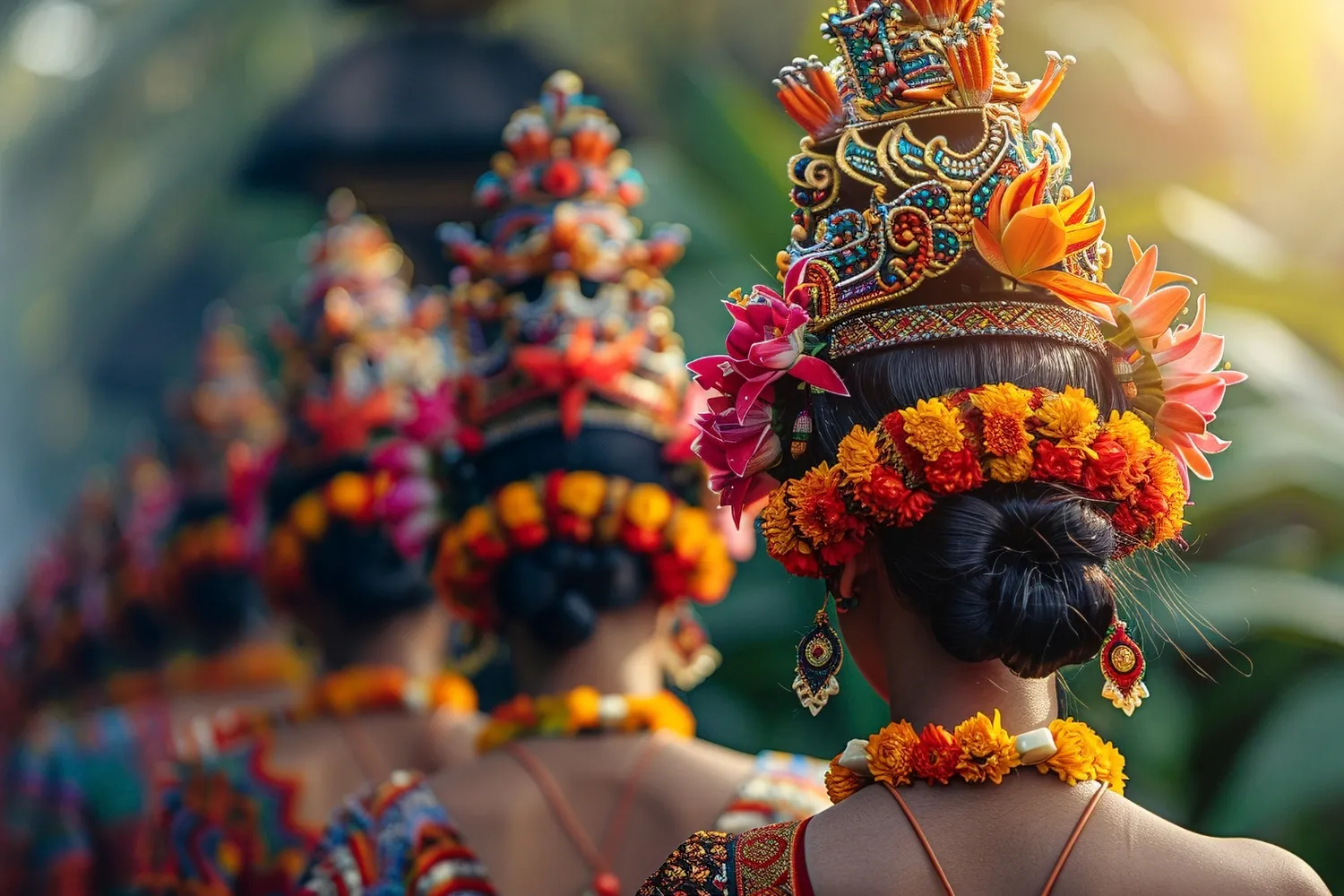
Balinese culture is inseparable from spirituality. Traditional dance, music, and art often tell stories from Hindu epics like the Ramayana and Mahabharata. Kecak dances at Uluwatu Temple, carvings at Besakih, and performances at GWK Cultural Park all bring these stories to life.
Daily life is influenced by temple rituals, offerings, and dress codes. Visitors are encouraged to wear modest attire and sarongs when entering temples, showing respect while experiencing the culture.
Temples inspire local arts: wood carvings, stone sculptures, paintings, and ceremonial offerings all reflect devotion. Even culinary traditions echo spiritual beliefs, with vegetarian and Jain-friendly meals commonly available near temple complexes.
Immersing in Bali’s culture means participating, observing, and feeling the devotion that defines the island of Gods. Every village and temple offers an intimate glimpse into this rich spiritual heritage.
Plan Your Bali Trip with Ease and explore Budget-Friendly Packages with 30 Sundays!
Temples That Define Bali’s Spiritual Identity
Bali’s temples are living symbols of its devotion. They are not just tourist attractions but spaces where locals pray, perform rituals, and celebrate life. Here’s a look at some must-visit temples that capture the spiritual essence of the island of Gods.
Uluwatu Cliff Temple

Uluwatu Temple perches on a cliff 70 meters above the Indian Ocean, offering breathtaking sunset views. Waves crash dramatically below, and manicured gardens enhance the serene environment.
Dress & Tickets: Visitors must wear sarongs, available at the entrance, and modest attire is required. A small entrance fee applies to support temple maintenance.
Food Options: Nearby cafes serve vegetarian Balinese meals, and some provide Jain-friendly dishes also prepared without onion, garlic, or root vegetables. Refreshments are available for a quick snack after exploring.
Nearby Activities: Watch the Kecak dance at sunset, enjoy cliffside walks, or capture breathtaking photos of the ocean and temple silhouette. Couples can have serene moments while exploring the surrounding gardens.
Tanah Lot Temple
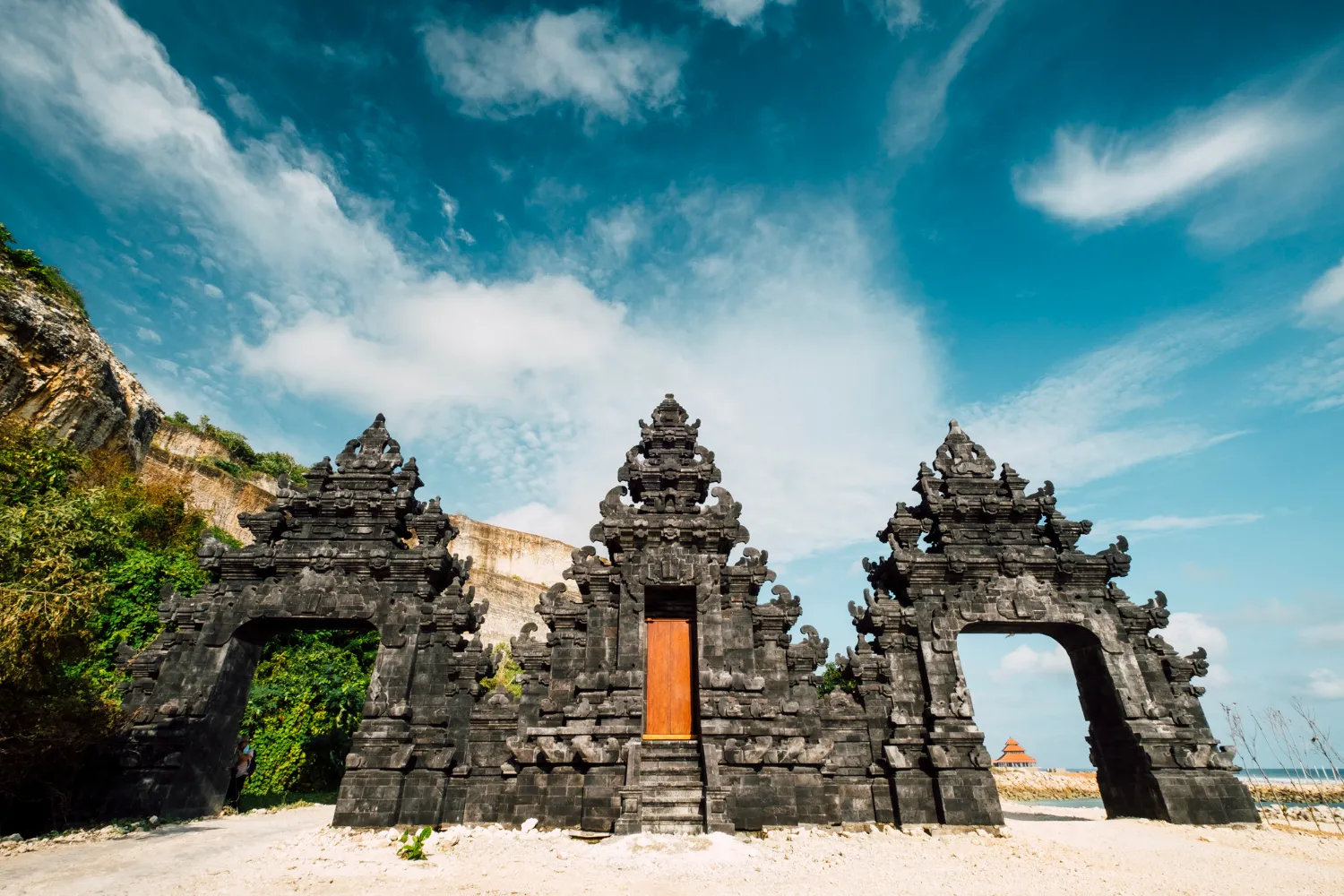
Tanah Lot sits on a rock formation surrounded by the sea, creating the illusion of floating during high tide. Sunsets here are iconic, with dramatic skies reflecting off the ocean waves.
Dress & Tickets: Modest attire is required, and an entry ticket grants access to the Tanah Lot temple grounds. Sarongs are available for visitors without traditional clothing.
Food Options: Restaurants nearby serve vegetarian meals, including Balinese specialties, and some provide Jain-friendly options. Cafes offer snacks and drinks with beautiful ocean views.
Nearby Activities: Couples can explore coastal paths, enjoy sunset photography, and shop at small souvenir markets nearby. Walking along the shore together provides a peaceful spiritual experience.
Besakih Temple
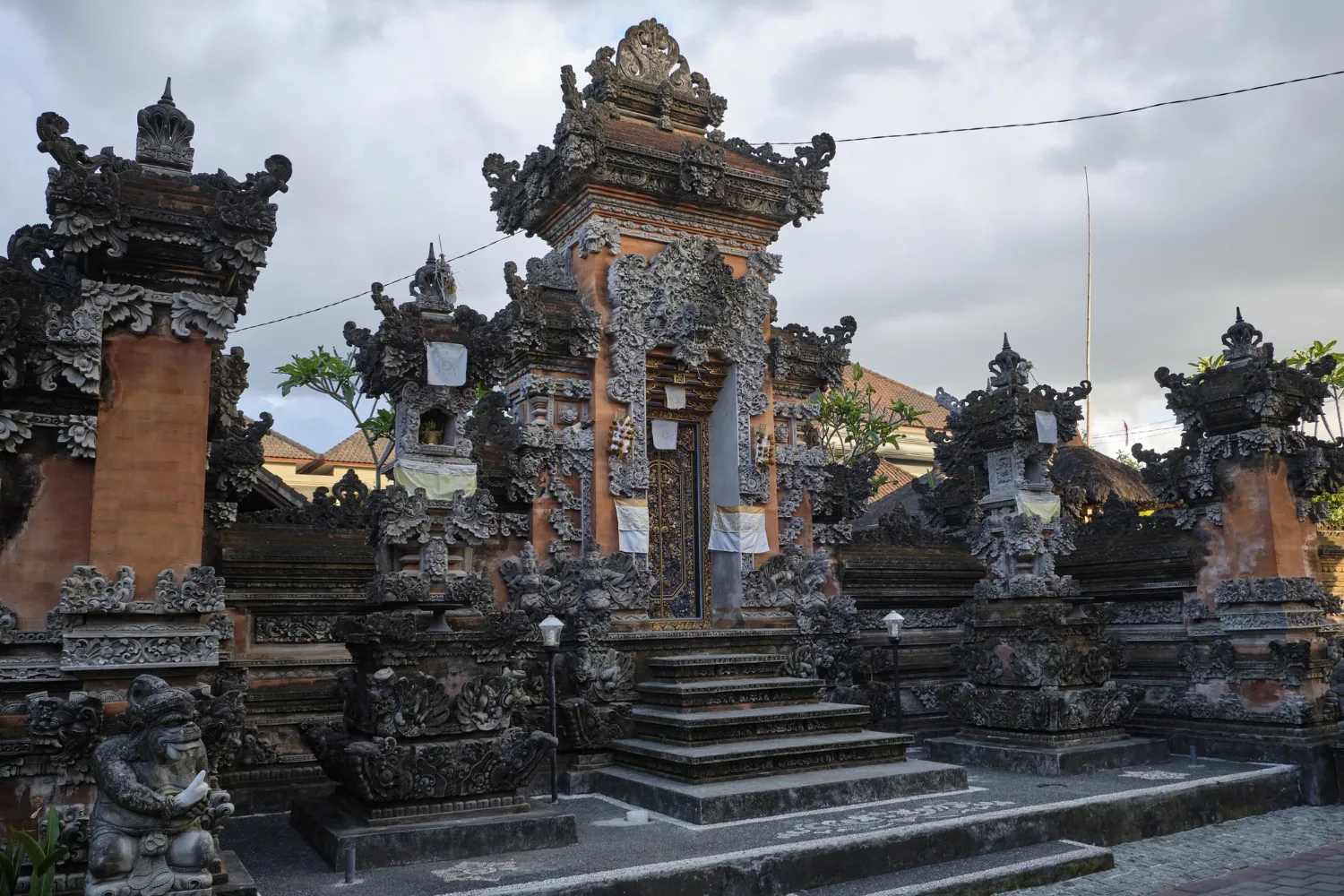
Besakih, the “Mother Temple,” lies on Mount Agung’s slopes amidst terraced hills and lush valleys. It’s Bali’s largest temple complex, with multiple shrines and sacred courtyards.
Dress & Tickets: Proper temple attire, including sarong and sash, is mandatory for everyone. A ticket is required for entry to support temple upkeep.
Food Options: Vendors near Besakih serve vegetarian meals, fresh fruits, and Jain-friendly dishes. Visitors can enjoy local snacks while soaking in the breathtaking mountain views.
Nearby Activities: Explore the temple complex, participate in guided tours explaining rituals, meditate in peaceful corners, or enjoy photography of the terraced surroundings.
GWK Cultural Park
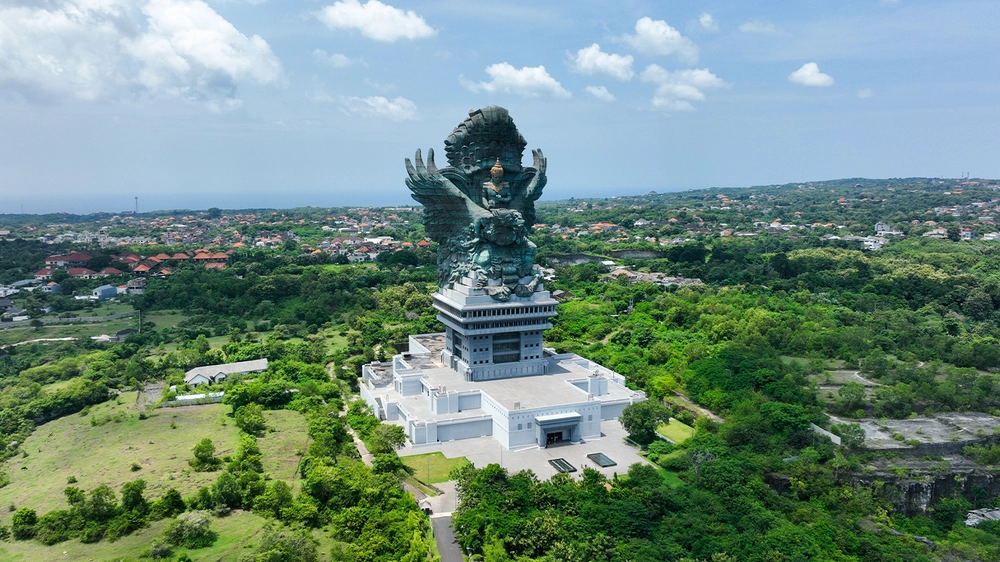
GWK Cultural Park houses the giant Garuda Wisnu Kencana statue and landscaped gardens. The park blends art, Hindu mythology, and modern design in a spiritual cultural setting.
Dress & Tickets: An entrance ticket is required, and modest clothing is recommended for ceremonial areas. Casual attire is allowed elsewhere.
Food Options: Cafes in the park provide vegetarian meals, and some offer Jain-friendly options also. Traditional snacks and refreshments are widely available.
Nearby Activities: Watch cultural performances, explore art installations, climb viewpoints for panoramic shots, or enjoy photo sessions with your partner in the landscaped gardens.
Ready to plan your Bali trip without breaking the bank? From flights to food, we’ll help you fit everything into your budget.
Festivals & Special Ceremonies
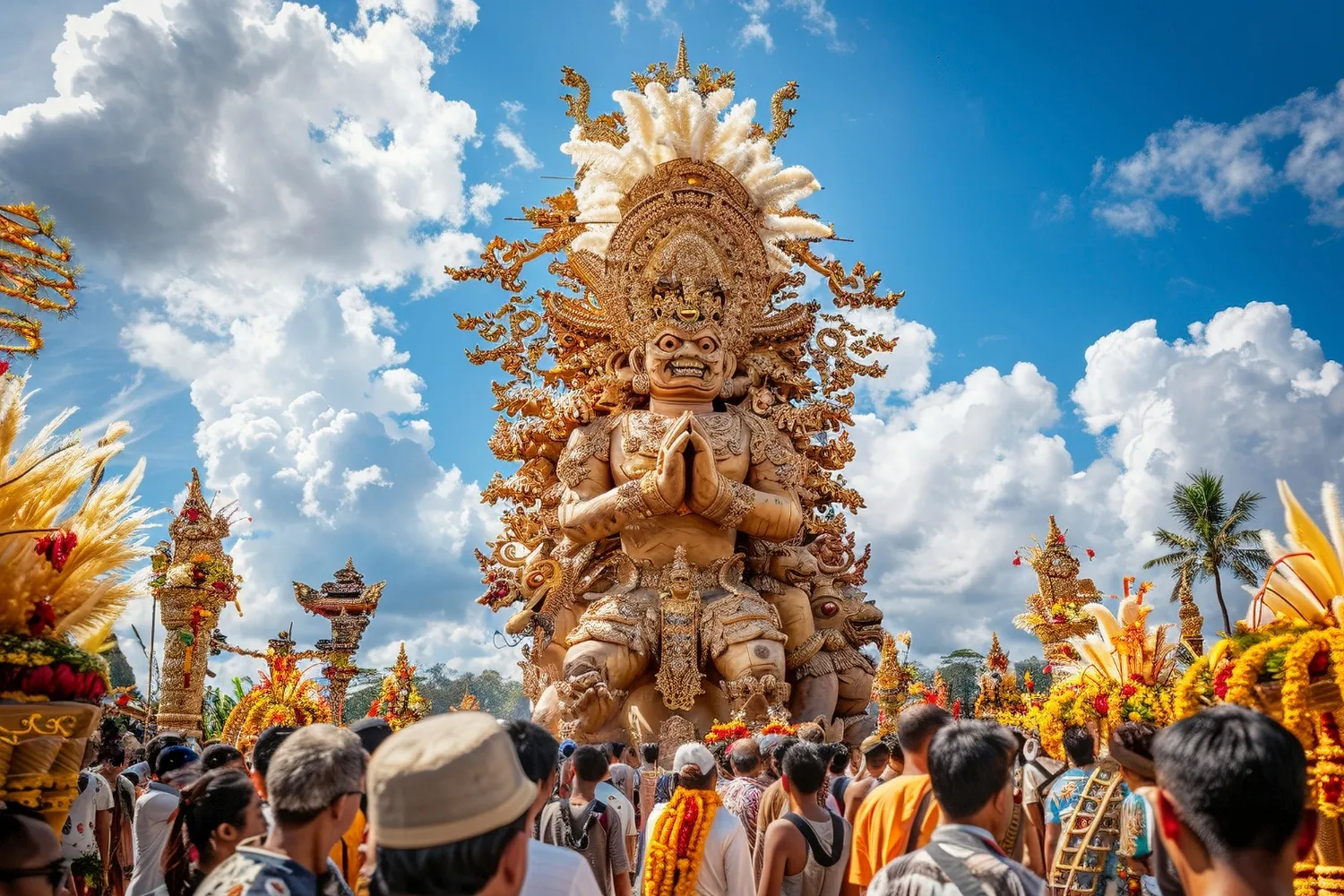
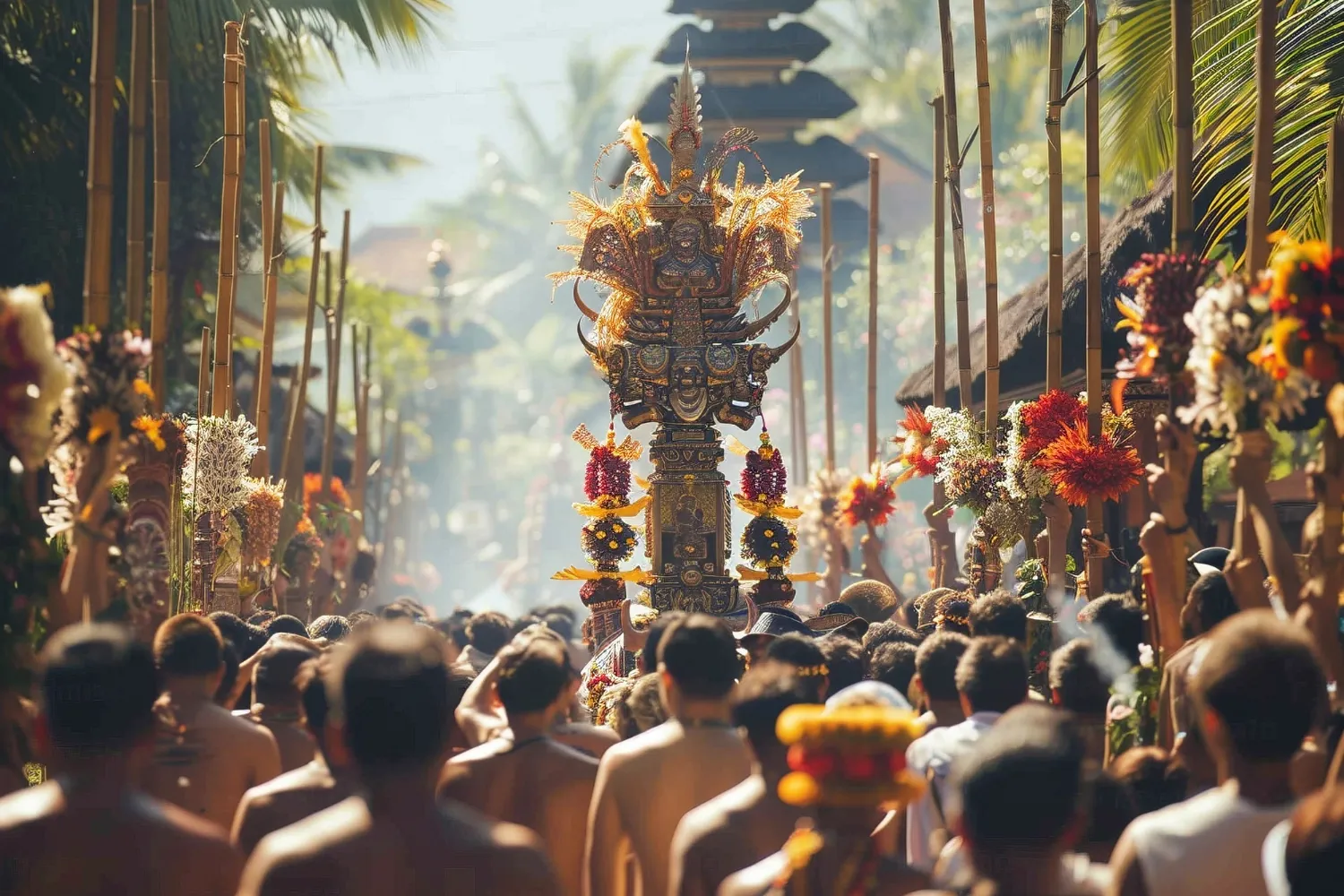
Bali’s festivals bring temples to life, combining devotion, art, and community celebrations. Couples can witness or respectfully participate in these sacred events.
- Galungan & Kuningan: This festival celebrates ancestral spirits with temple decorations, prayers, and community offerings.
- Nyepi (Day of Silence): This day marks the Balinese New Year, when the island observes quiet reflection and meditation.
- Temple-Specific Ceremonies: Many temples hold monthly rituals or complete moon celebrations that are visually stunning and rich in culture.
- Practical Tips: You should visit early or late to avoid crowds, wear sarongs, and maintain silence and decorum.
- Experiential Insight: These festivals show why Bali is called the island of gods, blending devotion with everyday life.
Local Arts & Crafts
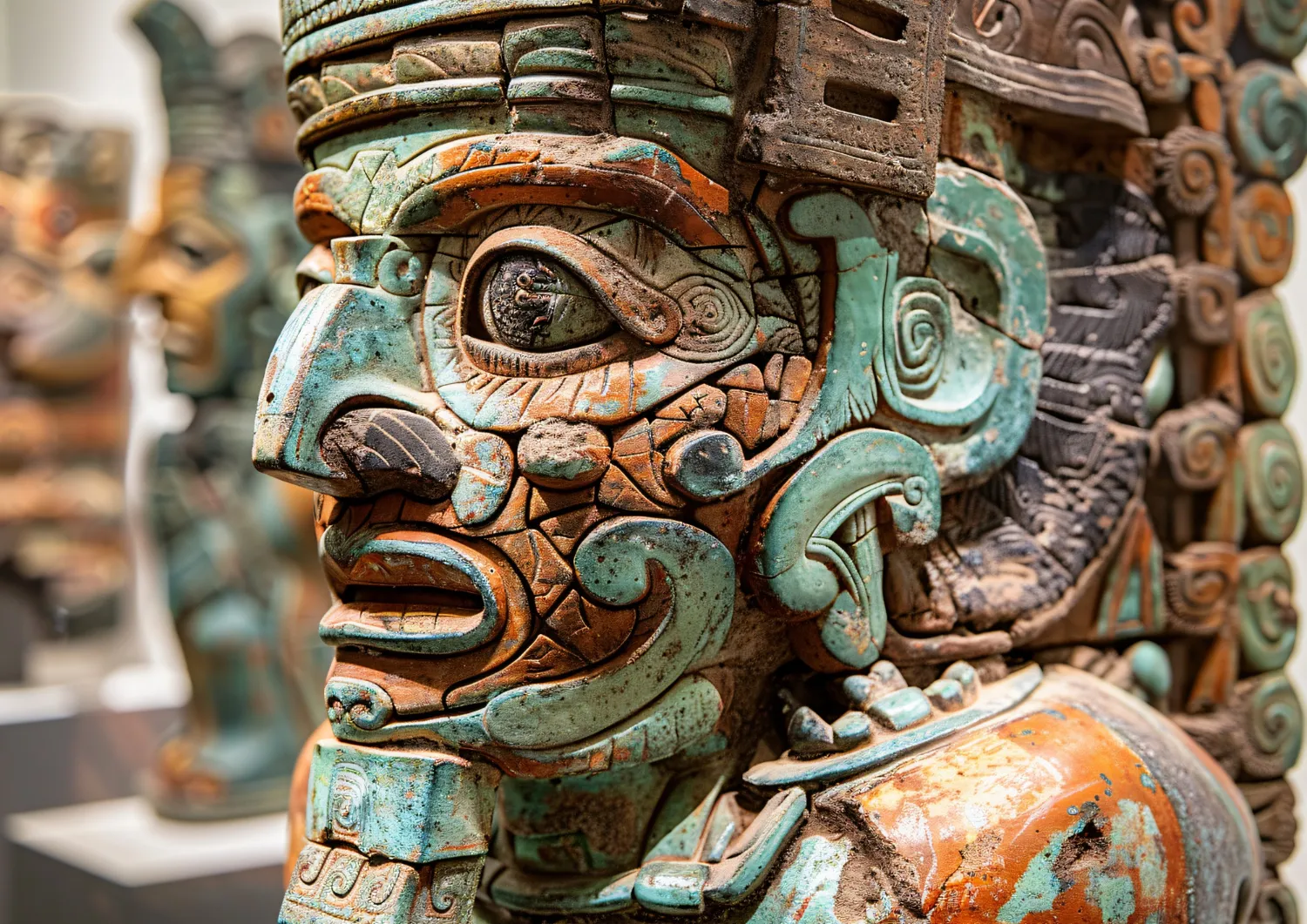
Bali’s temples are not only spiritual centers but also hubs of creativity. Local arts and crafts reflect devotion, mythology, and cultural heritage.
- Temple-Inspired Crafts: Wood carvings, stone sculptures, paintings, and ceremonial offerings are all influenced by temple rituals and architecture.
- Souvenir Markets: Markets near Tanah Lot, GWK, and Uluwatu sell authentic handicrafts such as miniature temples, masks, and textiles.
- Cultural Performances: Traditional dance and music performances at temples and cultural parks showcase Balinese artistry in action.
- Support Local Artisans: Buying handmade crafts supports local communities while giving travelers meaningful keepsakes.
- Interactive Workshops: Some cultural parks offer hands-on experiences like carving or offering-making workshops for a more immersive visit.
The best time to visit Bali is your time to explore. Choose your season, soak in the magic, and make every moment count.
Spiritual Experiences Beyond Temples

Bali offers many ways to connect spiritually beyond traditional temple visits. These experiences allow couples and travelers to immerse themselves in the island’s sacred culture and spirituality.
- Yoga & Meditation Retreats: Participate in yoga classes or guided meditation sessions in serene natural settings for relaxation and spiritual growth.
- Offering Workshops: Learn with your partner how to make canang sari or other ceremonial offerings used in daily rituals at temples.
- Balinese Astrology & Spiritual Lessons: Some cultural centers teach astrology, blessings, and other spiritual practices.
- Holistic Healing Experiences: Couples can engage in sound therapy, energy healing, or purification rituals to feel spiritually refreshed.
- Couples' Reflection: Quiet spaces near temples or parks provide a quiet environment for reflection, journaling, or connecting with each other.
Find affordable flights and fly to Bali with your loved one today!
Photography & Instagram Spots
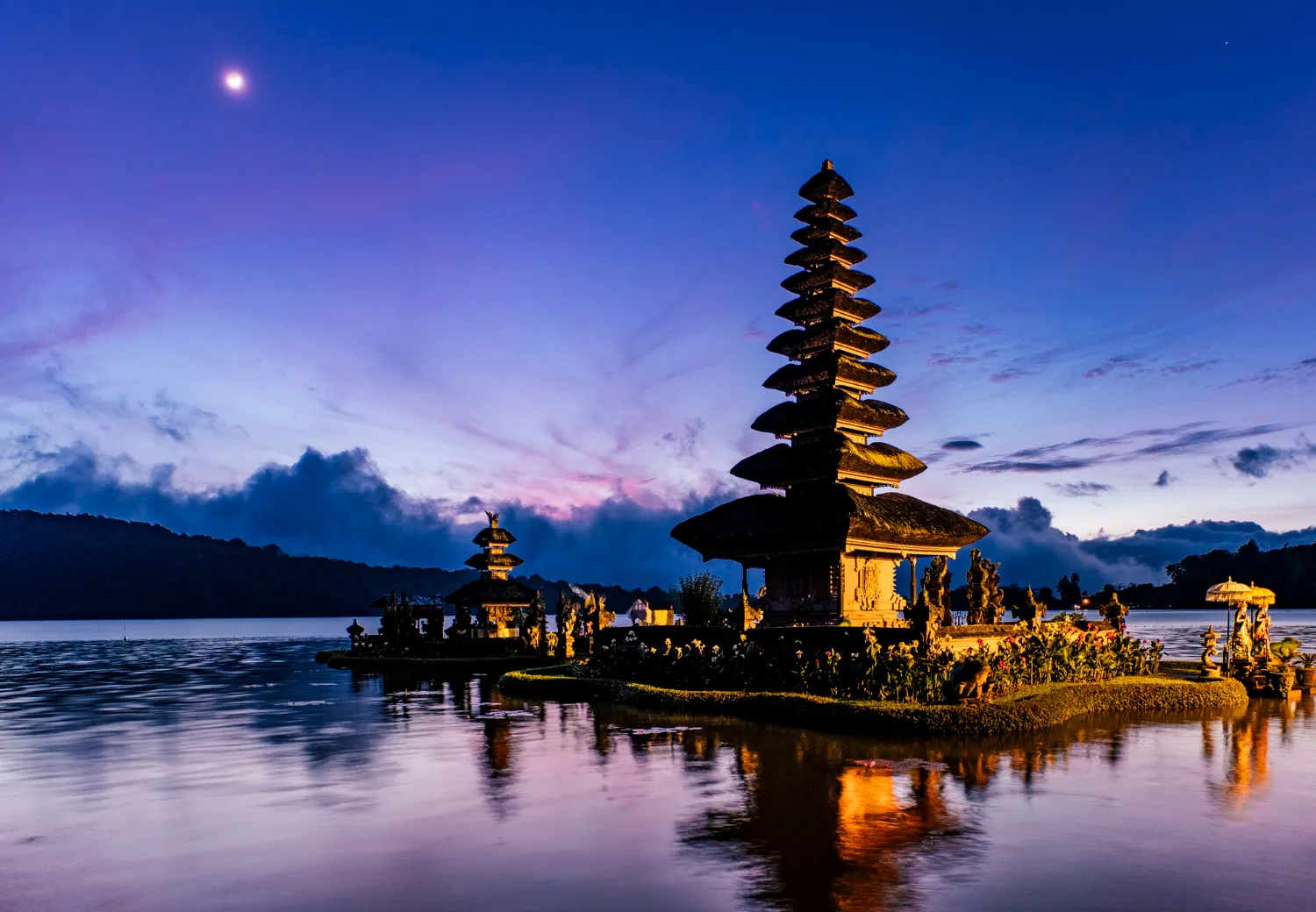
Bali’s temples, landscapes, and cultural performances are visually beautiful. Knowing the best photography spots and times enhances your visit without disturbing spiritual activities.
- Sunrise & Sunset Views: Capture dramatic shots at Uluwatu, Tanah Lot, and Besakih during golden hours with your other half.
- Temple Courtyards & Statues: The intricate carvings and statues inside temples provide excellent backdrops for couple photos.
- Cliffside & Panoramic Shots: Uluwatu and GWK offer elevated views of the ocean and landscapes, which are perfect for couples’ photos.
- Gardens & Pathways: Scenic temple gardens and coastal walkways create additional photography opportunities with nature and cultural shots for couples.
Tips for Couples & Spiritual Travelers
Visiting Bali’s temples and cultural spots can be a deeply romantic and great spiritual experience for couples. Here are practical tips to make your visit smooth, respectful, and memorable.
- Visit Temples Early or Late: Always plan temple visits in the early morning or late afternoon to avoid crowds and enjoy peaceful and intimate moments with your partner.
- Dress Respectfully: Always wear modest clothing and a sarong when entering temples to show respect for local customs.
- Engage Respectfully: You should participate in small rituals or observe ceremonies quietly, without disturbing worshippers.
- Romantic Moments: You can watch the sunset with your partner at Uluwatu or take quiet walks around Besakih to share serene and meaningful experiences together.
- Plan for Comfort: You should carry your own water bottle, sun protection, and light snacks, especially if exploring large temple complexes like Besakih.
From ocean-view villas to private escapes, Bali has the perfect stay for every couple. Find your romantic hideaway and make your honeymoon unforgettable.
Final Verdict
Bali is a living testament to faith, culture, and spiritual richness. Its temples, rituals, and festivals create an immersive experience that connects visitors to divine energy.
From Uluwatu’s dramatic cliffs to Besakih’s expansive courtyards, each temple offers insight into the island’s devotion and artistry. Tanah Lot and GWK Cultural Park showcase Bali’s cultural and spiritual diversity.
Daily life, offerings, and community celebrations reveal why Bali is called island of gods. Observing these customs gives travelers a deeper appreciation of the island’s harmony and reverence.
For couples seeking romance and spiritual exploration, Bali provides breathtaking views, sacred temples, cultural depth, vegetarian and Jain food options, and intimate moments of reflection. The island of Gods is truly a place where the divine and the human connect in perfect balance.
Frequently Asked Questions
Why is Bali considered spiritual?
Bali is considered spiritual because daily life, temples, and festivals are deeply rooted in Hindu devotion. Every village and home practices rituals, offerings, and ceremonies that honor the gods. Temples like Uluwatu, Tanah Lot, and Besakih blend nature, art, and worship, creating sacred spaces. This harmony between faith, culture, and the natural world gives Bali its spiritual essence.
Why does Bali have so many Hindu temples?
Bali’s spiritual journey began in the 8th century when the first Hindu priests devoted to Shiva arrived on the island. They had traveled through Myanmar, Cambodia, Sumatra, and Java, following a long tradition passed down over generations. Their goal was to find a place that reminded them of their homeland, Mahabalipuram, near Chennai in India. Eventually, they settled in Bali, bringing with them rituals, temples, and traditions that shaped the island’s spiritual culture.
What does Bali symbolize?
Bali is known as the "Island of Gods" because of its unique spiritual culture rooted in Balinese Hinduism. Daily life and traditions are deeply influenced by this blend of beliefs, which also honor ancestors and Buddhist figures. This rich mix of faith shapes the island’s rituals, ceremonies, and way of life, giving Bali its sacred and colourful character.
What is the main religion in Bali?
The main religion in Bali is Balinese Hinduism, a distinctive blend of traditional local beliefs and Indian Hindu practices. This unique mix makes Bali the only province in Indonesia with a Hindu-majority population, giving the island its special spiritual identity and cultural charm.
Our 30Sunday Exclusive Bali Packages:


.webp)