





Thailand is one of those destinations that is easy to get excited about. There are beaches to plan, street food to try, islands to explore and, of course, Bangkok to experience. However, before you start deciding between Phuket and Krabi or planning your first night out, there are a few practical things worth sorting out.
For Indian travellers, knowing the entry requirements in advance can save you from last-minute confusion at the airport. Visa rules, passport requirements, arrival formalities, and customs restrictions are all very important to check before you leave India.
At 30 Sundays, we help travellers plan their Thailand holidays with practical destination guides, travel tips and itinerary ideas. If you would rather have the major parts of your trip, such as, accommodation, transfers and experiences, organised together, Thailand tour packages can also make planning easier.
In this guide, we have covered the important Thailand travel guidelines, including entry rules for Indians, the Thailand Digital Arrival Card, proof of funds, customs restrictions, and the documents you should keep handy. Whether you are planning a quick holiday, a honeymoon or a longer trip, getting these basics sorted before you fly can make your arrival much smoother.
Thailand Travel Rules: The Status in 60 Seconds

Before you book everything for your Thailand trip, take a few minutes to check the entry rules that apply to your trip.
Here are the main things Indian travellers should have on their checklist:
- Visa requirements: Check the current visa-free status or visa requirement for Indian passport holders before travelling.
- Length of stay: Your permitted stay depends on the entry arrangement applicable when you travel.
- Digital Arrival Card: Check whether you need to complete the Thailand Digital Arrival Card before arriving.
- Passport: Make sure your passport meets Thailand’s validity requirements and has enough blank pages as well.
- Return or onward ticket: Keep your return or onward flight details easily accessible.
- Accommodation proof: Have your hotel, resort or other accommodation details ready in case immigration asks for them.
- Financial proof: You may be asked to show that you have enough money to cover your stay.
- Rule changes: Thailand’s entry requirements can change, so check the latest official information shortly before your trip.
Do Indians Need a Visa for Thailand in 2026?
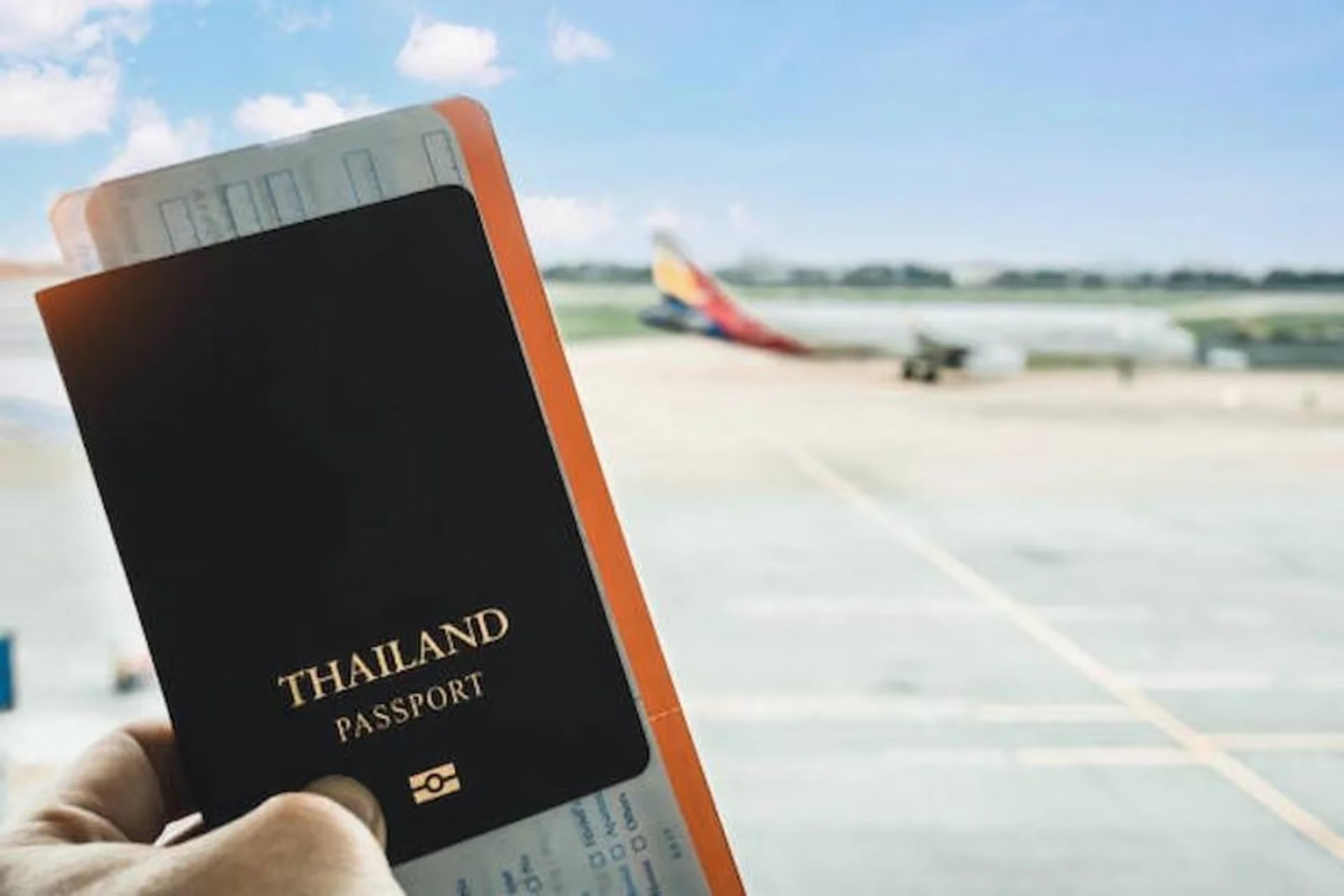
Indian passport holders can visit Thailand visa-free for tourism and short-term business stays of up to 30 days.
Even when you don’t need to apply for a visa in advance, you should still have the basic documents ready. Immigration officers can ask for details about your trip, including where you’re staying and when you plan to leave.
Entry Requirements
Keep these essentials ready before you fly:
- Passport: Your passport must be valid for at least 6 months from your arrival date.
- Return ticket: Keep a confirmed return or onward ticket handy.
- Proof of funds: Carry at least 20,000 Thai Baht, approximately ₹48,000 to ₹50,000, in cash per person.
- Accommodation: Have your hotel booking or host’s address available.
It’s a good idea to keep digital copies of your bookings on your phone as well. That way, you’re not searching through emails while standing at the immigration counter.
Longer Stays and Visas
If you’re planning to stay longer than the period allowed under the applicable visa-free arrangement, you’ll need to look at other visa options.
- Visa on Arrival: Available for a stay of up to 15 days at designated checkpoints, with a fee of THB 2,000.
- E-Visa: For stays exceeding 30 days, applications must be submitted in advance through the Thai E-Visa Official Website.
Because visa and entry rules can change, always check the current requirements before making plans around a longer sta
Thailand Digital Arrival Card: Step by Step
The Thailand Digital Arrival Card is one of the pre-arrival formalities you should check before your trip. It’s much easier to complete it at home than to leave it until you’re rushing through the airport.
What to Do Before Your Flight
When completing the arrival card:
- Visit the official Thailand Digital Arrival Card platform.
- Enter your personal and passport details exactly as they appear on your passport.
- Add your travel and arrival information.
- Enter your accommodation details.
- Complete any required health or travel declarations.
- Submit the form within the permitted pre-arrival period.
- Save the confirmation or reference details on your phone.
Take a screenshot once you’ve submitted everything. It gives you something easy to refer to if you need the information later.
Tips for Completing the Arrival Card
A few simple checks are listed which can save you from making unnecessary mistakes:
- Keep your passport beside you while filling out the form.
- Double-check your arrival date before submitting it.
- Keep your hotel or accommodation address nearby.
- Take a screenshot of your confirmation.
- Don’t leave it pending until you’re already at the airport.
- Use the official government platform instead of paying a third-party website to complete it for you.
Pro Tip: If you’re travelling as a couple, make sure you complete the required details for both yourself and your partner. Don’t assume that one submission automatically covers everyone travelling with you.
Cash and Proof of Funds
Money is another thing Indian travellers should think about before heading to Thailand. Immigration authorities can ask travellers to show that they have enough money to support themselves during their stay.
The exact requirement can depend on your entry arrangement, so check the latest official requirement before you leave.
For a couple, it makes sense to have a mix of payment options rather than relying on just one:
- Some Thai Baht in cash for small purchases and local transport.
- An international debit or credit card.
- A backup payment method.
- Access to emergency funds.
- Copies of important booking or financial information where needed.
You don’t need to carry your entire holiday budget in cash. In fact, carrying a large amount of physical money around for your whole trip can be inconvenient.
At the same time, cards aren’t always the easiest option for small shops, local markets or certain transport situations. Having some Thai Baht with you from the beginning can make those first few hours much easier.
Before leaving India, check your bank’s international transaction fees and ATM withdrawal charges too. A little preparation here can help you avoid unnecessary costs during the trip.
Customs Rules: What You Can & Cannot Carry

Thailand’s customs rules are worth checking before you pack. Something that is easily available or commonly used in India may still be restricted when entering Thailand.
Here are a few items that you must be careful about.
E-Cigarettes and Vapes
Thailand has strict restrictions concerning e-cigarettes and vaping products. So, don’t assume that you can carry a vape simply because it is commonly sold or used in another country. Before packing any vape, e-cigarette, e-liquid or related product, check the latest Thai customs and government guidance.
Duty-Free Allowances
Thailand allows travellers to bring certain quantities of items such as alcohol and tobacco for personal use under its duty-free allowances. However, you can’t bring quantities above the permitted limits as duty-free items. If you’re carrying more than the allowed amount, you may need to declare the excess, pay applicable duties, or have the additional goods confiscated if they do not meet customs requirements.
Medicines
If you’re travelling with medication, keep it in its original packaging wherever possible. It’s also useful to carry your prescription or supporting medical documents for prescription medicines. Some controlled medicines may have additional requirements, so check the relevant Thai authority’s rules before bringing them into the country.
Drones
Planning to take a drone to Thailand? Don’t assume that being allowed to bring it into the country means you can fly it anywhere. Registration and operating restrictions may apply. Check the latest aviation and registration requirements before packing your drone.
Other Restricted Items
Before leaving India, check the latest customs guidance if you’re carrying:
- Weapons or ammunition
- Illegal drugs
- Restricted medicines
- Wildlife or animal products
- Certain food products
- Large quantities of commercial goods
- Other prohibited or controlled items
Documents Checklist for Indian Travellers
There’s nothing worse than reaching the airport and suddenly wondering where you saved your hotel confirmation or return ticket.
Keep your important travel documents together and easy to access.
Before Leaving India
Here’s a simple checklist:
- Valid Indian passport
- Flight tickets
- Return or onward ticket
- Hotel or accommodation confirmation
- Thailand Digital Arrival Card confirmation, where required
- Travel insurance details
- Emergency contact information
- Digital or physical copies of important documents
- Visa or other entry documentation, if applicable
You don’t necessarily need to print every single document, but having offline copies on your phone is a smart backup.
For Couples Travelling Together
If you’re travelling as a couple, it’s better for each person to keep their own passport and essential documents accessible.
You can still keep backup copies of both travellers’ documents on a secure phone or cloud account. This becomes particularly useful if one bag gets misplaced or you suddenly need information that was stored in the other person’s luggage.
Thailand Travel Rules for Families and Couples
Travelling with your partner or family doesn’t usually change the basic entry requirements, but it does mean there are a few more details to keep organised.
If you’re travelling with children, carry the relevant identification and any consent or custody documents that may apply to your situation.
For families, it’s also helpful to keep hotel details and return-flight information together so that you can access them quickly if immigration officials ask.
Couples visiting Thailand for a honeymoon or anniversary can also keep their hotel bookings and special experience confirmations handy. You probably won’t need them at every step, but having them easily accessible is better than searching for them at the last minute.
The main thing to remember is that your entry requirements depend on your nationality, passport and the entry arrangement applicable to your trip.
What to Check Before Flying to Thailand?
Thailand’s travel rules can change, which is why it’s worth doing one final check before your flight.
You don’t need to spend hours researching everything again. Just run through this list:
- Check your passport validity.
- Confirm your current visa or visa-exemption status.
- Check how long you’re permitted to stay.
- Complete the Thailand Digital Arrival Card if required.
- Confirm your return or onward flight.
- Keep your accommodation confirmation ready.
- Check the latest cash or proof-of-funds requirement.
- Review Thailand customs rules.
- Check restrictions on medicines, vapes and other controlled items.
- Save important documents offline on your phone.
This final check is especially useful if you booked your Thailand holiday several months in advance. Rules that were correct when you booked may not necessarily be the same when you travel.
Sorted? Now Plan the Fun Part
Once the practical details are out of the way, you can get back to the enjoyable part of planning Thailand.
Not sure when to go? Our guide to the best time to visit Thailand can help you compare the weather and seasonal conditions before choosing your dates.
If Phuket is on your itinerary, you can also look at our guide to Phuket in September to get a better idea of what the weather is like during that month.
Final Verdict
The easiest way to deal with Thailand’s travel rules is to sort out the basics before you leave India. Check your entry status, make sure your passport meets the requirements, complete any necessary arrival formalities and keep your important documents within easy reach.
For Indian travellers, the Thailand Digital Arrival Card, proof-of-funds requirements and customs restrictions are particularly worth checking. These are the kinds of details that can easily get forgotten when most of your attention is on flights, hotels, beaches and sightseeing.
Once these things are taken care of, you can focus on the trip itself. Whether you’re spending a few days in Bangkok, relaxing in Phuket, exploring Krabi or combining several destinations, doing one final check of the official requirements before flying can help you start your holiday without unnecessary stress.
Frequently Asked Questions
Do Indians need a visa for Thailand in 2026?
Indian travellers should check the current official Thai entry arrangement that applies on their travel date. Visa-free and other entry arrangements can change, so confirm the latest information with official Thai immigration or government sources before flying.
What is the Thailand Digital Arrival Card?
The Thailand Digital Arrival Card is an online arrival form for eligible international travellers. It collects traveller, passport, travel and accommodation details before arrival. Complete it through the official platform within the permitted timeframe.
How much cash is required for Thailand?
The required amount can depend on the entry arrangement and the current Thai immigration rules. Check the latest official requirement before travelling and carry a sensible mix of cash and accessible funds.
Can I carry a vape to Thailand?
Thailand has strict restrictions on e-cigarettes and vaping products. Check the latest Thai customs and government guidance before bringing a vape, e-cigarette or related product into the country.
What passport validity is needed for Thailand?
Your passport needs to meet the current validity requirements for entry into Thailand. Check the latest Thai immigration guidance before departure rather than relying on an older travel article.
Do I need travel insurance for Thailand?
Travel insurance is recommended for international trips because it can help with certain medical, cancellation, baggage and other travel-related expenses. Before you buy a policy, read the terms carefully so you know exactly what is covered.
What should I keep ready at Thai immigration?
You should keep your passport, return or onward ticket, accommodation details, arrival-card confirmation where applicable, and any required visa or entry documents easily accessible. Immigration officers may ask for supporting documents depending on your circumstances.