


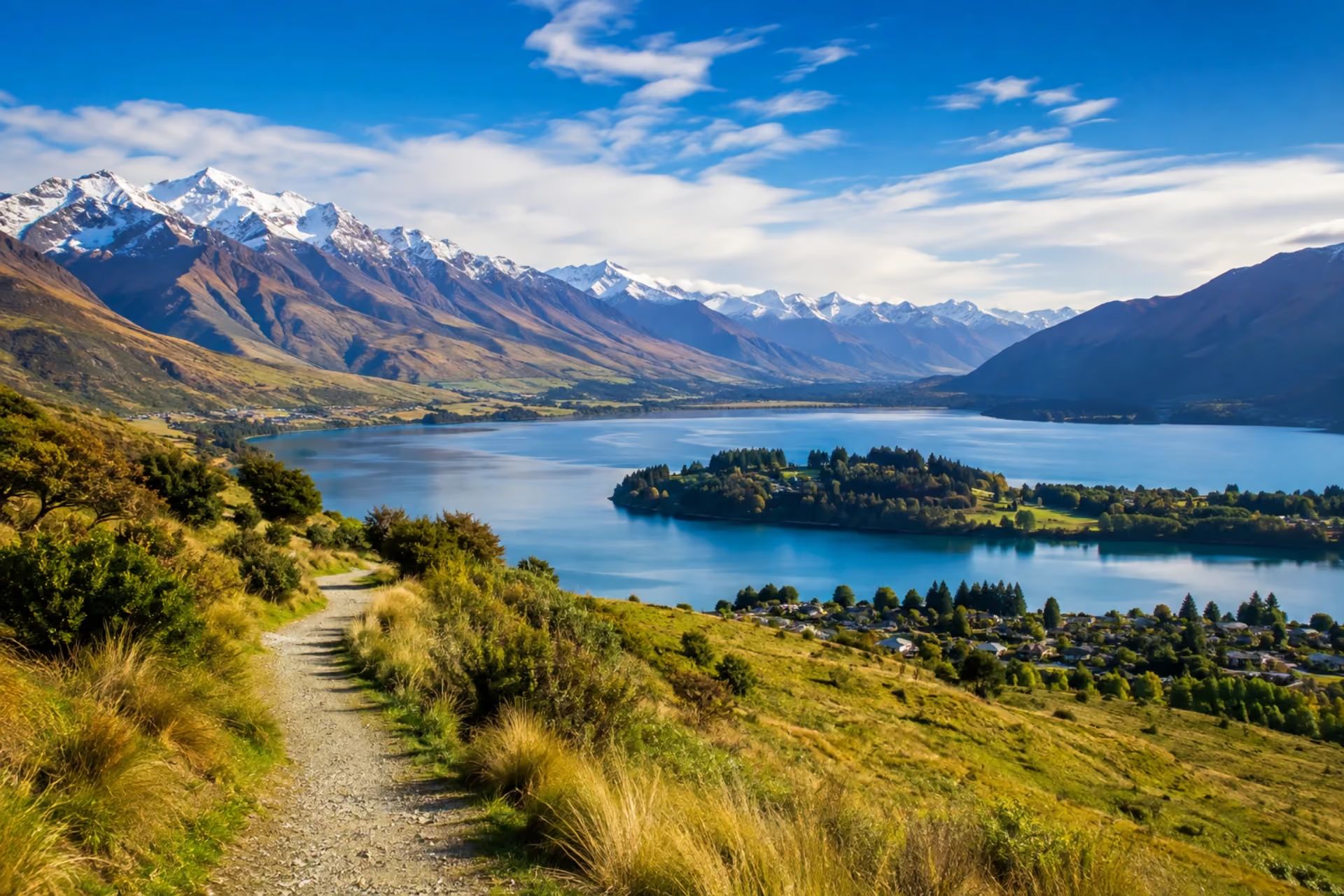


Planning a trip to New Zealand from India can feel confusing at first because the seasons are completely reversed. While December means winter holidays in India, New Zealand in December is enjoying the beginning of summer. Similarly, New Zealand in June is in the middle of winter and ski season.
Understanding this difference is the first step to choosing the best time to visit New Zealand. Summer offers long days and excellent road-trip conditions, autumn brings fewer crowds and beautiful colours, winter is ideal for skiing, and spring brings blossoms and fresh landscapes. Your ideal month ultimately depends on whether you're planning a honeymoon, adventure holiday, scenic road trip, or budget-friendly vacation.
The Seasons Are Reversed: What That Means for Your Trip
New Zealand lies in the Southern Hemisphere, so its seasons are opposite to those in India.
This means New Zealand summer months are December, January and February, the exact opposite of India's winter.
For Indian travellers, this makes December particularly attractive because you can escape India's winter and enjoy warm summer weather in New Zealand.
Best Time to Visit New Zealand At a Glance
The best time to visit New Zealand depends on your travel goals.
For most first-time visitors, December to February offers the easiest combination of weather, daylight and outdoor activities. For couples seeking fewer crowds and better value, March to May can be an excellent alternative.
New Zealand Weather Month by Month
Understanding New Zealand weather by month helps you decide when to travel and what to pack.
Temperatures below are broad travel-planning ranges and can vary considerably by location and elevation.
Temperatures vary by city and altitude, particularly in the mountainous South Island.
Also Read: Most Romantic Places in New Zealand for Couples: Your 2026 Travel Guide
Summer, December to February
Summer is the most popular season and often considered the best time to visit New Zealand for first-time travellers.
New Zealand in December marks the beginning of summer. Days are long, temperatures are comfortable, and most hiking trails and scenic roads are accessible.

It's a great time for:
• Road trips
• Hiking
• Beaches
• Milford Sound cruises
• Queenstown adventures
• Camping
• Scenic photography
The downside is demand. Christmas and New Year bring particularly high demand, so flights and accommodation should be booked early.
Autumn, March to May
Autumn is one of New Zealand's underrated seasons.
March generally retains pleasant summer-like conditions, while April and May become cooler. The changing colours are particularly beautiful around Queenstown, Central Otago and other parts of the South Island.
New Zealand in March can be an excellent choice for travellers who want:
• Fewer crowds
• Lower accommodation prices
• Comfortable sightseeing weather
• Autumn landscapes
• Romantic road trips
For couples, autumn can offer an excellent balance between weather, scenery and cost.
Also Read: Luxury New Zealand Travel Cost: Resorts, Fine Dining & Experiences
Winter, June to August
Winter transforms parts of New Zealand into a snowy adventure destination.
New Zealand in June marks the beginning of the winter season, and ski fields around Queenstown, Wānaka and the Southern Alps begin attracting winter travellers.

Winter is ideal for:
• Skiing and snowboarding
• Snow-covered landscapes
• Alpine experiences
• Cozy stays
• Stargazing
• Potential Southern Lights sightings
The North Island remains comparatively mild in many areas, while the South Island experiences much colder conditions, particularly inland and at higher elevations.
Spring, September to November
Spring brings longer days, blooming gardens, green landscapes and newborn lambs across the countryside.
September can still feel wintry in alpine regions, while October and November become increasingly pleasant.
Spring is particularly good for travellers looking for:
• Fewer crowds
• Lower prices
• Gardens and blossoms
• Hiking
• Photography
• Scenic road trips
Weather can be unpredictable, so packing layers is important.
Best Time for a New Zealand Honeymoon
The best season for a New Zealand honeymoon depends on the kind of experience you want.
For warm weather and long days: December–February
Perfect for couples who want scenic drives, outdoor activities, beaches and comfortable sightseeing.
For romance and fewer crowds: March–April
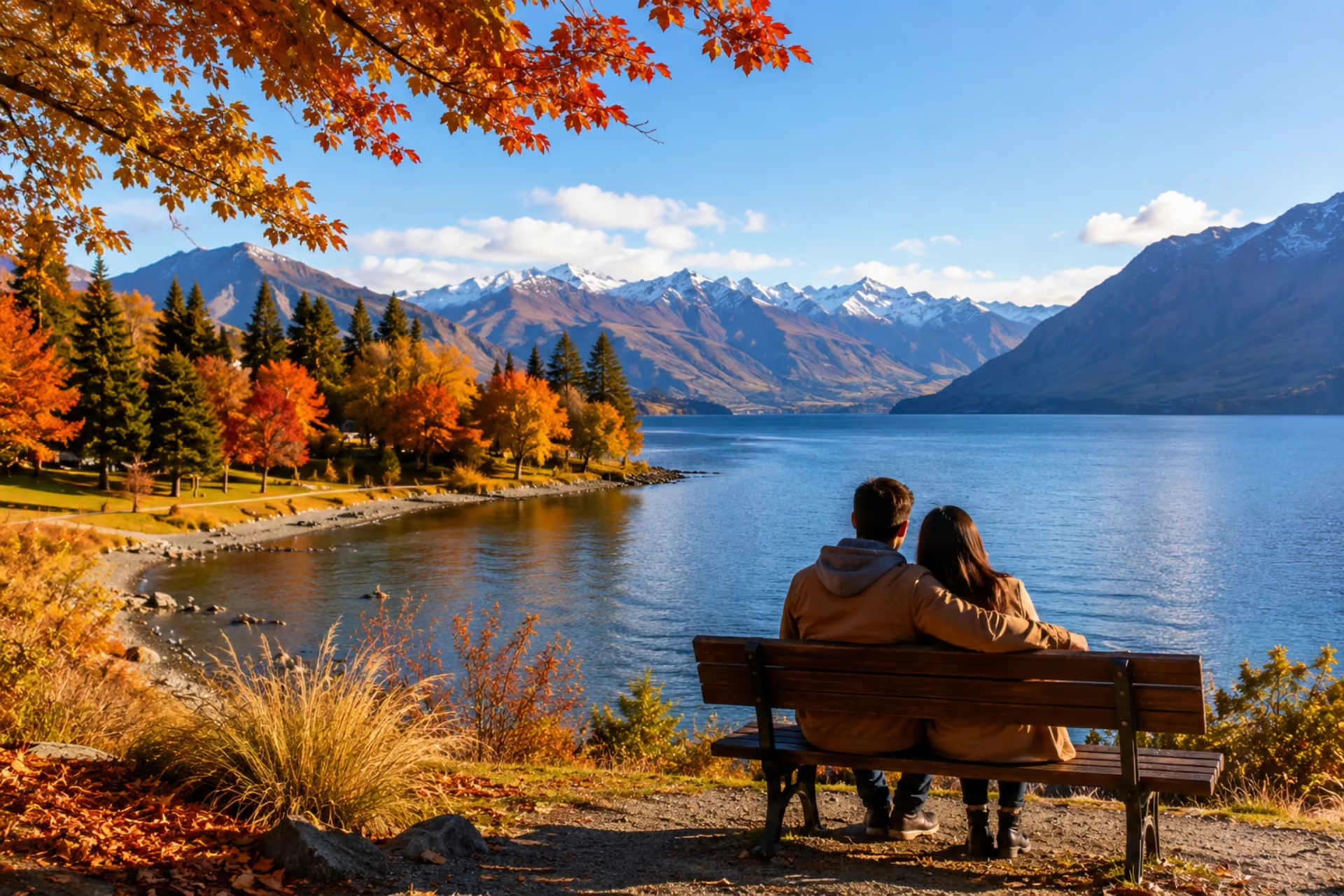
Autumn colours, comfortable temperatures and quieter destinations make this a particularly attractive honeymoon period.
For snow and cozy experiences: June–August
Choose winter if you dream of snowy mountains, ski resorts and romantic alpine stays.
For Indian couples, March–April and December–February are particularly appealing choices depending on whether you prioritize value or classic summer weather.
Turn your dream honeymoon into a seamless adventure with the right itinerary, stays, experiences, and travel tips. Explore our complete guide to planning a New Zealand honeymoon from India and start planning your romantic escape today.
North Island vs South Island: Different Seasons
The North Island and South Island can feel very different during the same month.
The North Island is generally warmer and better suited to cities, beaches and geothermal attractions. The South Island is the stronger choice for mountains, glaciers, alpine scenery and road trips.
Cheapest Time to Fly to New Zealand from India
Flight prices vary significantly depending on your departure city, airline, booking window and school holidays. However, shoulder seasons can often provide better value than the Christmas and New Year period.
If your priority is saving money, March, April, May, September and October are worth considering.
Also read: How Indian Travelers Can Apply for a New Zealand Visitor Visa
Best Time for Milford Sound, Glaciers and Stargazing
Milford Sound
Milford Sound can be visited year-round. Summer offers longer daylight and easier road-trip planning, while wetter periods can create dramatic temporary waterfalls.
Glaciers
Franz Josef and Fox Glacier can be visited throughout the year, although weather conditions affect tours and accessibility.
Stargazing
Winter often provides longer nights and excellent opportunities for stargazing, particularly around Aoraki Mackenzie International Dark Sky Reserve.
Southern Lights
The Aurora Australis, or Southern Lights, is most commonly associated with the darker months, roughly from March through September. Clear skies and solar activity are both important, so sightings can never be guaranteed.
Daylight Hours and Driving Distances
Daylight is an important factor when planning a New Zealand road trip.
During summer, daylight can extend well into the evening, giving you more time for sightseeing and driving. Winter days are considerably shorter, particularly in the South Island.
This matters because New Zealand's attractions can be spread far apart.
For example, driving between destinations can take several hours even when the distance looks manageable on a map. Mountain roads, winding highways and weather conditions can also increase journey times.
Avoid planning overly ambitious driving schedules. It's usually better to spend more time in fewer destinations than rush through the country.
When Not to Visit New Zealand
There isn't really a single worst time to visit New Zealand. Every season offers something different.
However, certain periods may not suit specific travellers.
• Avoid Christmas and New Year if you're trying to minimize costs.
• Avoid winter if you dislike cold weather or snow.
• Avoid spring if unpredictable weather bothers you.
• Avoid peak ski periods if you're not interested in winter sports and want quieter mountain towns.
The key is choosing the season that matches your travel style rather than simply following a universal "best month."
Frequently Asked Questions
Which month is best to visit New Zealand?
January and February are among the best months for warm weather, long daylight hours and outdoor activities. March and April are excellent alternatives for fewer crowds and better value.
What is the cheapest month to fly to New Zealand from India?
There is no fixed cheapest month because airfare changes constantly. Shoulder-season months such as March, April, May, September and October can often offer better value.
How many days do you need in New Zealand?
Around 10–14 days is a good starting point for a first trip. It allows you to experience several major destinations without rushing too much.
Which is better, North Island or South Island?
Choose the North Island for cities, geothermal attractions, beaches and Māori culture. Choose the South Island for mountains, glaciers, lakes and dramatic landscapes.
When is the best time to see the Southern Lights?
The darker months from roughly March to September generally offer better opportunities because nights are longer, although sightings depend on solar activity and clear skies.
.avif)








.avif)