

January gives Indian travellers a choice between tropical beaches, cooler city breaks, and summer adventures in the Southern Hemisphere. Thailand, southern Vietnam and the Maldives stand out for beach-focused holidays, while Mauritius and New Zealand offer a different kind of summer escape. Bali is in its wet season in January, so it suits travellers who are happy to mix cultural experiences with time outdoors rather than depend completely on sunny beach days.
For anyone planning international trips in January, the weeks after New Year are also worth comparing for potential savings. Republic Day falls on Tuesday, 26 January 2027, creating an opportunity for a four-day break with one day of leave. If you are considering travelling earlier, compare these options with our guide to the best places to visit in December.
Best Countries to Visit in January from India: At a Glance
For travel enthusiasts willing to wait out the holidays and the New Year rush, January comes with a plethora of options. Here is a quick comparison between countries to help you narrow down your options for a January vacation from India.
::table
<strong>Destination;January weather;Indicative flight time from India;The honest verdict</strong>
Thailand;Dry season in many popular areas, with regional differences remaining;Around 4–5 hours on some direct routes;A versatile choice for beaches, food and city breaks
Vietnam;Mixed, with cooler weather in the north and generally drier conditions in the south;Around 4–6 hours to some major hubs;Best when you choose your regions carefully
Maldives;Dry season;Around 2.5–4 hours to Malé, depending on departure city;Excellent for a beach escape, though often a peak-demand period
Mauritius;Hot summer, with heavy showers and cyclone-season risk;Around 6–8 hours on some routes;A mix of beaches, nature and local culture
New Zealand;Summer, with long days and busy holiday destinations;Usually 16+ hours, often with a connection;Best with enough time for a road trip
Bali;Wet season, with humidity and frequent rain;Around 7–9 hours on some routes, with connections adding time;Better for culture and greenery than guaranteed beach weather
:table
Flight times are indicative, not guaranteed schedules. They vary by departure airport, airline and connection. Confirm your route and timings before booking.
If you’d like to know in detail about the best time of the year to plan a vacation to this Southeast Asian country, read our blog on the best time to visit Thailand.
Thailand in January

Thailand is one of the strongest choices for a January holiday, but your experience depends on which coast and region you choose. The Andaman Coast is a favourite for beach days, Bangkok works well for sightseeing, and northern Thailand offers cooler mornings and mountain scenery.
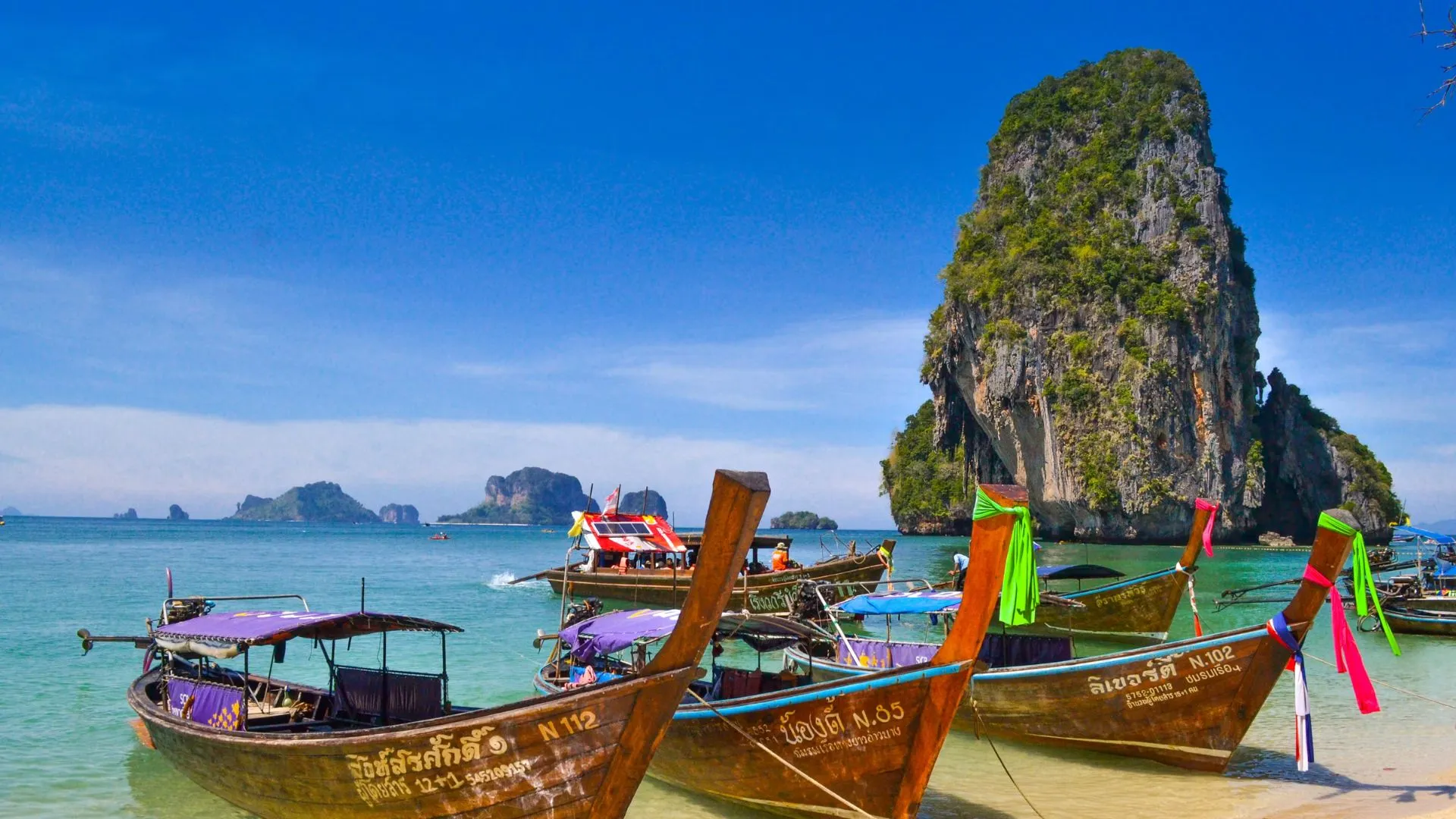
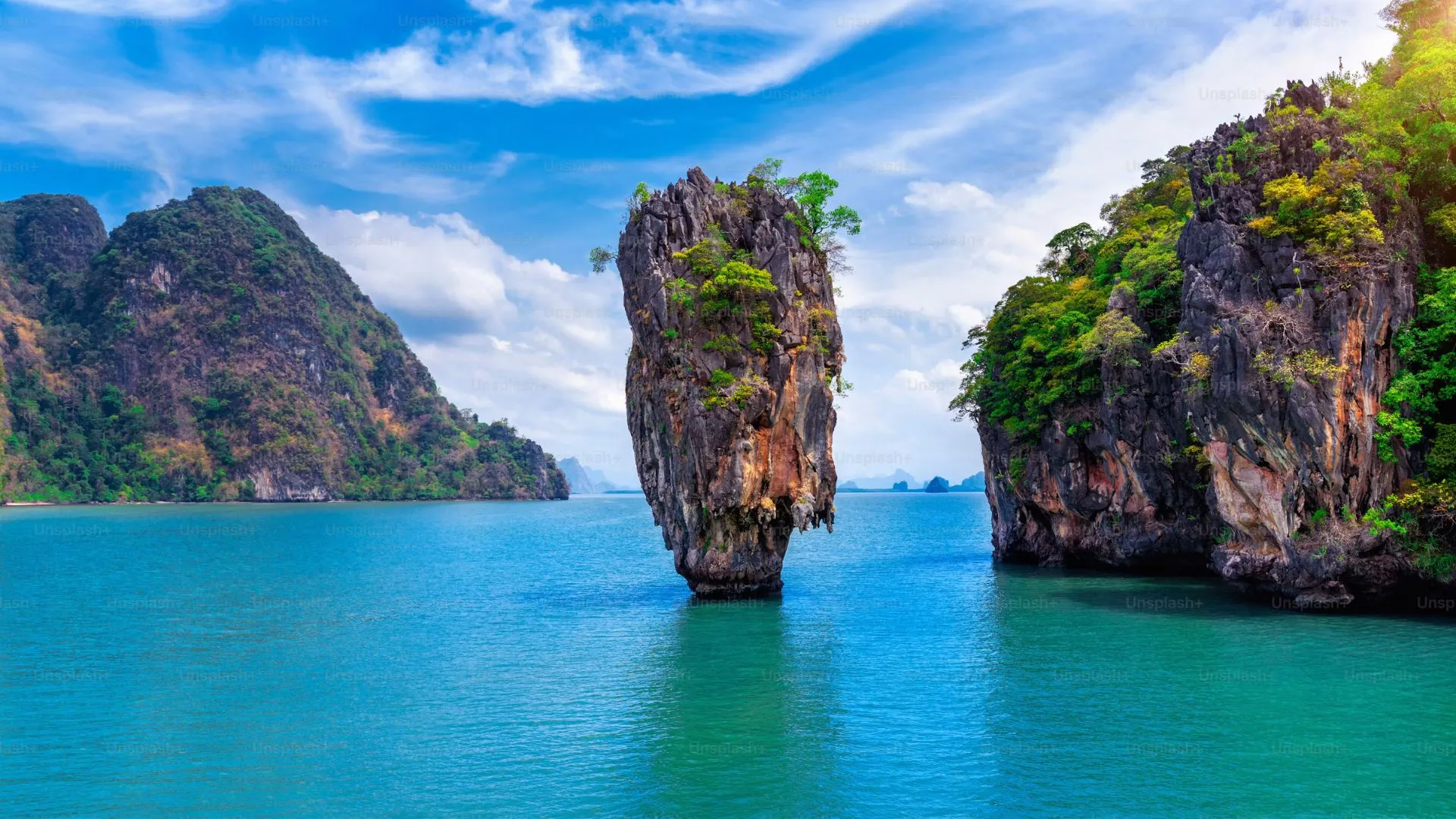
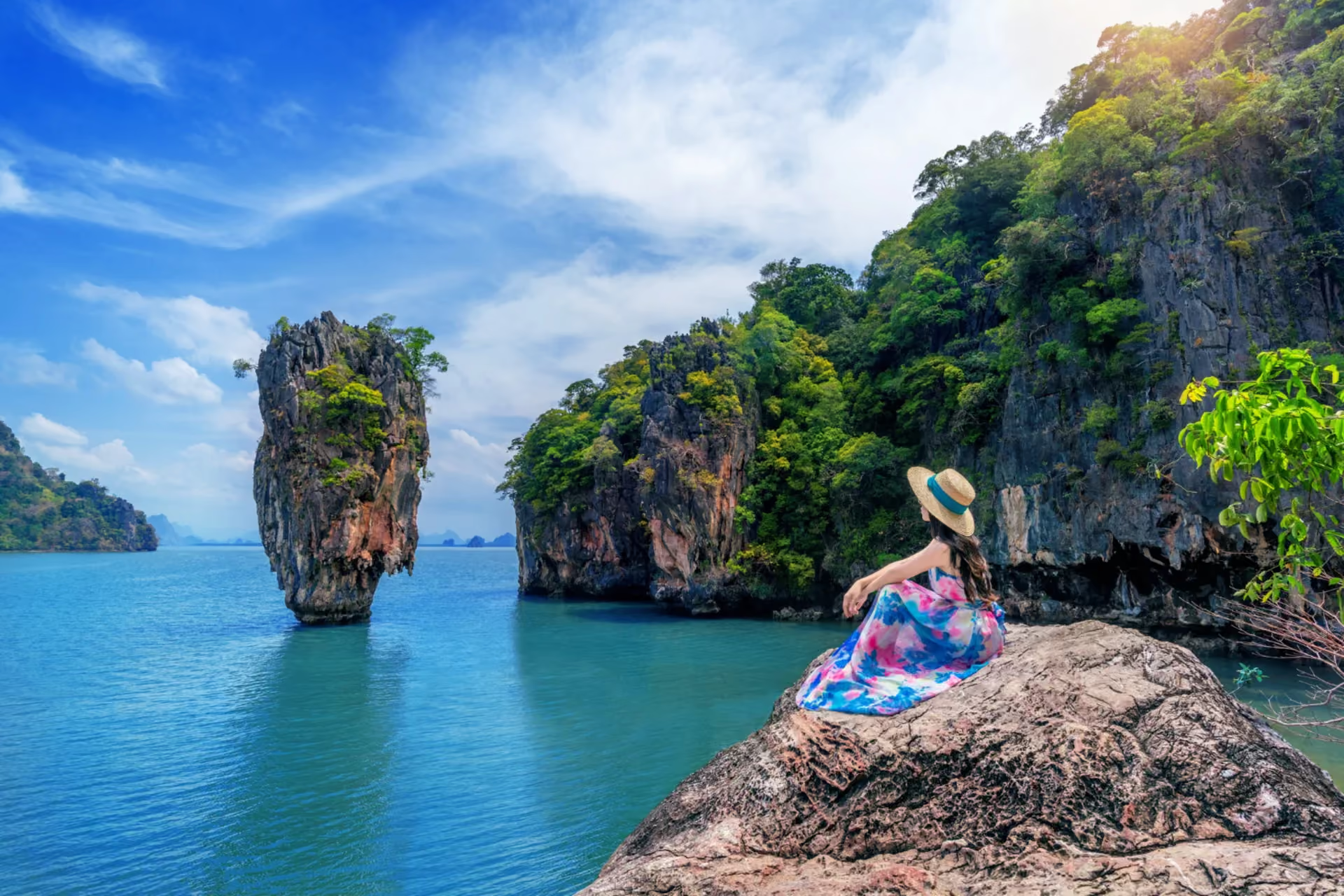
Andaman Coast - Phuket, Krabi, and Phi Phi Islands: January is typically a good period for island-hopping, with lower rainfall than during the wet season. Spend a day around Krabi’s limestone cliffs, take a boat trip to the Phi Phi Islands or explore Phuket Old Town between beach visits. For a Phuket-focused itinerary, see our guide to the best time to visit Phuket.
Gulf Coast - Koh Samui and Koh Phangan: These islands follow a different rainfall pattern from Phuket and Krabi. January can bring improving conditions, but showers and unsettled seas remain possible. Koh Samui has a broad choice of resorts and restaurants, while Koh Phangan balances quieter coves with lively nightlife.
Central Thailand - Bangkok: Cooler, generally drier weather makes January a practical time to explore temples, markets, and riverside neighbourhoods. Visit the Grand Palace and Wat Pho, take a boat along the Chao Phraya River, and save an evening for Chinatown’s street food.
Northern Thailand - Chiang Mai and Chiang Rai: Expect cooler mornings and evenings than in the south. Chiang Mai offers temples, cooking classes and cafe-lined streets; Chiang Rai is known for the White Temple and Blue Temple. Pack a light jacket if you plan early starts or trips into the hills.
Bali in January

January sits in Bali’s wet season. The island can still be rewarding, but frequent rain and rougher seas make it a less dependable choice for a holiday built around uninterrupted sunshine. If you want to explore temples, food, and green landscapes, it can work well. For a more detailed seasonal breakdown, read the best time to visit Bali.
Central Bali - Ubud: Rain brings lush rice terraces, flowing waterfalls, and a countryside at its greenest. Explore art markets and temples, join a cooking class or plan a spa afternoon between outdoor outings. Ubud is a stronger fit for culture and nature than a beach-only itinerary.
South Bali - Seminyak, Uluwatu, Nusa Dua, and Sanur: Seminyak has restaurants and beach clubs, Uluwatu is known for its clifftop views, Nusa Dua suits resort stays and Sanur has a more relaxed waterfront feel. Mix coastal time with dining, shopping, and cultural visits, as showers can disrupt long beach days.
Nusa Islands - Nusa Penida: The island’s cliffs and dramatic coastal viewpoints are the main attraction. Rain can make roads slippery, so avoid squeezing too many stops into one day and allow flexibility for boat travel.
Lombok and the Gili Islands: These islands offer beaches, small coastal communities, and marine excursions, but January’s wet season can mean showers and rougher seas. Leave a buffer around boat transfers rather than scheduling tight onward connections.
Flores and Labuan Bajo: Labuan Bajo is the gateway to Komodo National Park, known for rugged islands, viewpoints, and Komodo dragons. Rain and sea conditions can affect boat itineraries, so build flexibility into any national park excursion.
Maldives in January

January falls within the Maldives’ drier season, making it appealing for swimming, snorkelling, diving, and boat excursions. It is also a popular travel period, so treat it as a high-demand month rather than assuming the best weather will come with bargain rates. You can also explore our guide to the best time to visit the Maldives.
North Atolls: The areas around North Malé and South Malé can be practical for shorter holidays because many resorts are accessible by speedboat from the capital. Spend your time swimming, exploring house reefs, or arranging a sunset cruise.
Central Atolls: Ari Atoll and nearby areas attract divers and snorkellers interested in coral reefs and marine life. Excursions may offer opportunities to see manta rays or whale sharks at recognised sites, although sightings are never guaranteed.
South Atolls: These suit travellers who prefer a more remote island setting. The trade-off is transfer time: reaching some resorts involves a domestic flight or a longer boat journey. If it’s a short break, check the complete journey time before choosing an island.
Vietnam in January

Vietnam can feel like several different destinations in one trip. The north is often cool, the central coast can be wet, and the south is generally warmer and drier. Choosing the right route matters more than trying to cover the entire country. For a more detailed guide to seasonal planning, see the best time to visit Vietnam.
The North - Hanoi, Ha Long Bay, Ninh Binh, and Sapa: Hanoi’s cooler weather is well suited to walking through the Old Quarter and stopping for Vietnamese coffee. Mist can lend Ha Long Bay an atmospheric look, although it may obscure distant views. Ninh Binh offers boat rides through limestone scenery, while Sapa can be very cold and foggy. Bring warm layers if you are heading into the mountains.
The Central Coast - Hoi An and Da Nang: January can be cooler and wetter here than in southern Vietnam, so plan around culture and food rather than making every day a beach day. Hoi An is worth exploring for its lantern-lit streets, old merchant houses, and riverside cafes. In Da Nang, visit the Marble Mountains or explore its seafood restaurants and cafes.
Southern Vietnam - Phu Quoc: If warm weather and time by the sea are priorities, the south is usually the strongest part of Vietnam in January. Phu Quoc offers beaches, boat excursions around the An Thoi archipelago, local pepper farms, and a lively night market. It is a natural choice for ending a city-and-culture-focused itinerary with a few slower days.
Mauritius in January
Mauritius combines beaches with volcanic landscapes, local markets, and a distinctive food culture. January is part of the island’s hot, humid summer, and cyclone season, so it is worth allowing flexibility in outdoor plans. For a seasonal overview, read the best time to visit Mauritius.
North Coast - Grand Baie and Trou aux Biches: Grand Baie is a useful base for restaurants, shops, and boat trips, while Trou aux Biches is known for its sandy beach and lagoon. Sunny spells can be ideal for swimming and snorkelling, though summer showers may interrupt beach plans.
West Coast - Flic en Flac: This area offers a long beach, lagoon views, and relaxed evenings. It is popular for swimming and boat excursions, including marine trips, but book activities with some flexibility around the weather.
North-West and Central Region - Port Louis and the interior: Port Louis gives you a different view of the island through its Central Market, waterfront, and street food. Inland, green hills and volcanic scenery replace the resort landscape. Keep indoor stops or shorter outings in mind if rain affects the day.
East Coast - Belle Mare: Long stretches of sand and a quieter resort atmosphere are the main draw. January can bring heavy showers, and the open coast may be breezier than the west. Choose this area for its setting, but avoid building the whole itinerary around calm seas every day.
South-West Coast - Le Morne: The mountain, wide lagoon, and dramatic coastal views make this one of Mauritius’ most memorable areas. Hiking and kitesurfing are popular activities, although heat, wind and rainfall can affect plans. Start walks early and leave room for any adjustments that need to be made to outdoor excursions.
New Zealand in January

January is summer in New Zealand, with long daylight hours that make road trips, lakeside stops, and outdoor adventures especially appealing. It is also a busy domestic holiday period, so popular accommodation and activities can fill up. For a detailed walkthrough, read our guide to the best time to visit New Zealand.
North Island - Auckland and Rotorua: Auckland offers harbour cruises, waterfront dining, and island day trips. Rotorua brings geothermal parks, hot springs, forest walks, and opportunities to learn about Māori culture. The North Island works well for travellers who want a balance of city experiences, culture, and nature.
South Island - Lake Tekapo, Dunedin, Christchurch, and Queenstown: Lake Tekapo is known for its striking blue water and mountain views. Christchurch makes a pleasant city stop, Dunedin combines heritage architecture with wildlife-rich coastlines, and Queenstown is a base for lake cruises, hiking and adventure sports. If you are planning several stops, allow enough time for driving rather than treating the South Island as a quick add-on.
The Cheapest Time to Travel After New Year
The second and third weeks of January are worth comparing with the year-end holiday period, as demand may ease after Christmas and New Year. This does not guarantee lower fares, however; departure city, airline, hotel availability, and weekend dates all matter. The Maldives and Mauritius remain popular for winter-sun holidays, while Thailand and Vietnam offer more varied routes and styles of stay. For more budget-led ideas, explore our guide to the cheapest countries to visit in January.
When to Book Your January Vacation from India
For travel in the first half of January, start comparing flights and accommodation around 10-14 weeks ahead where possible. For the second half, a 6-10-week planning window can give you time to compare options, though Republic Day dates may remain in demand.
Where Not to Go in January
January does not suit every destination or every type of holiday. Bear in mind that none of these are places that you must avoid entirely; they are places to reconsider if the experience you want depends on specific weather.
- Canggu and Seminyak, Bali: Less reliable for a beach holiday built around long sunny days because January is the wet season. Choose Ubud if you prefer culture and green landscapes.
- Da Nang and Hoi An, Vietnam: The central coast can be cool and rainy, making southern Vietnam a better alternative for a beach-focused trip.
- Sapa, Vietnam: Cold and fog can obscure mountain views. Go for the winter atmosphere, not guaranteed clear trekking scenery.
- Belle Mare, Mauritius: Summer rain and cyclone-season risk can interrupt plans for uninterrupted beach days.
- Koh Samui and Koh Phangan, Thailand: The Gulf Coast can still see showers; Phuket and Krabi are generally the stronger January choices for island-hopping.
- Remote alpine routes in New Zealand: Mountain weather can change quickly, so avoid tight hiking plans that leave no room for a change in conditions.
- Seychelles: January falls within the northwest monsoon period, which can bring humidity and frequent showers.
- Madagascar’s east coast, including Toamasina: Rainy and cyclone season can disrupt road journeys and outdoor excursions.
- Exposed coastal areas and remote rainforest trips in Borneo: Heavy rainfall in some areas can affect boat journeys and wildlife excursions, so choose the specific region carefully.
Final Verdict
For dependable beach weather, Thailand’s Andaman Coast, southern Vietnam, and the Maldives are strong places to start. Mauritius offers beaches alongside nature and culture, while New Zealand is best for a longer summer road trip. Bali remains an option for travellers who are comfortable planning around rain.
The best choice depends on your available days, flight connections and priorities, not just the country’s name. Compare the regional weather first, then choose a route that leaves enough time to enjoy it.
Frequently Asked Questions
Which destination should I choose between Bali, Vietnam, Thailand, Maldives, and Mauritius?
Choose Thailand for variety, southern Vietnam for a mix of culture and beach time, and the Maldives for a resort-focused escape. Mauritius suits travellers who want beaches and inland scenery, while Bali is better for culture and greenery than guaranteed sunny beach days in January.
Which destinations are in monsoon in my travel month, and where should we go instead?
Bali is in its wet season in January, while parts of central Vietnam can be cool and rainy. For beach-focused plans, consider Thailand’s Andaman Coast, southern Vietnam or the Maldives instead.
How far in advance should I book, and how much does waiting cost me?
For early January, start comparing options around 10 to 14 weeks ahead; for later January, aim for roughly 6 to 10 weeks where possible. There is no fixed cost to waiting, but flight choice and popular accommodation can become more limited around holiday dates.
Do prices go up in peak season, and which weeks are worst?
Prices can rise when demand is high, particularly around New Year and Republic Day. The first week of January often overlaps with year-end holiday demand, but the cheapest dates depend on your departure city and destination, so compare several dates before booking.
Is my budget of 1 to 1.5 lakh enough for an international trip for two?
It depends on the destination, trip length, flights, accommodation and activities. Compare the full cost of transport, stays, meals, transfers and excursions before choosing; a shorter trip with convenient flights may be more realistic than a multi-stop itinerary.
Where can I travel internationally for 4 days during Republic Day weekend in January 2027?
For a 4-day international trip during Republic Day weekend in January 2027, consider Bangkok or Phuket in Thailand, the Maldives, Ubud or Seminyak in Bali, or Phu Quoc in Vietnam. These destinations offer a mix of beaches, sightseeing and relaxation. Choose a destination with convenient flight timings to make the most of your short holiday.