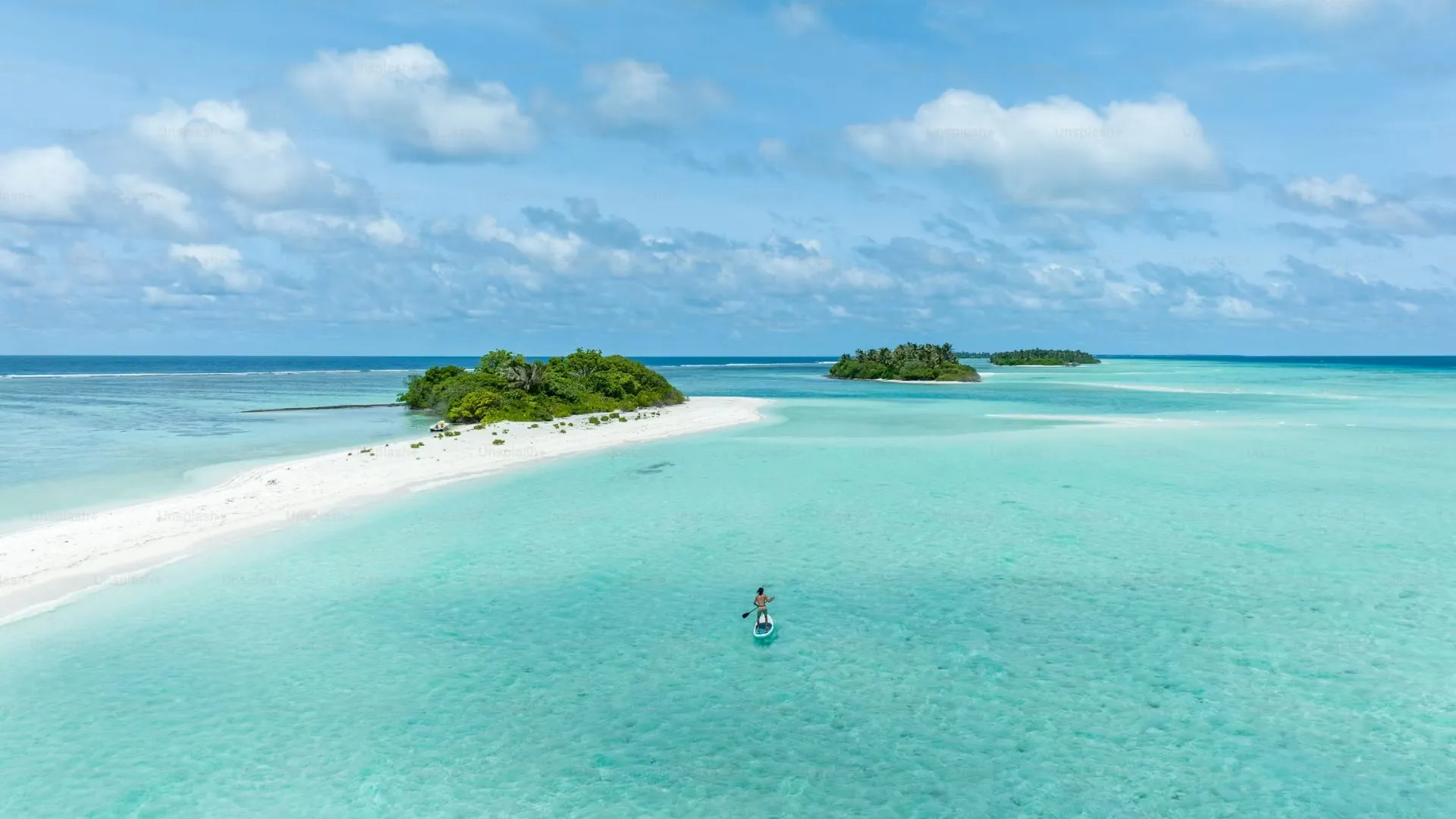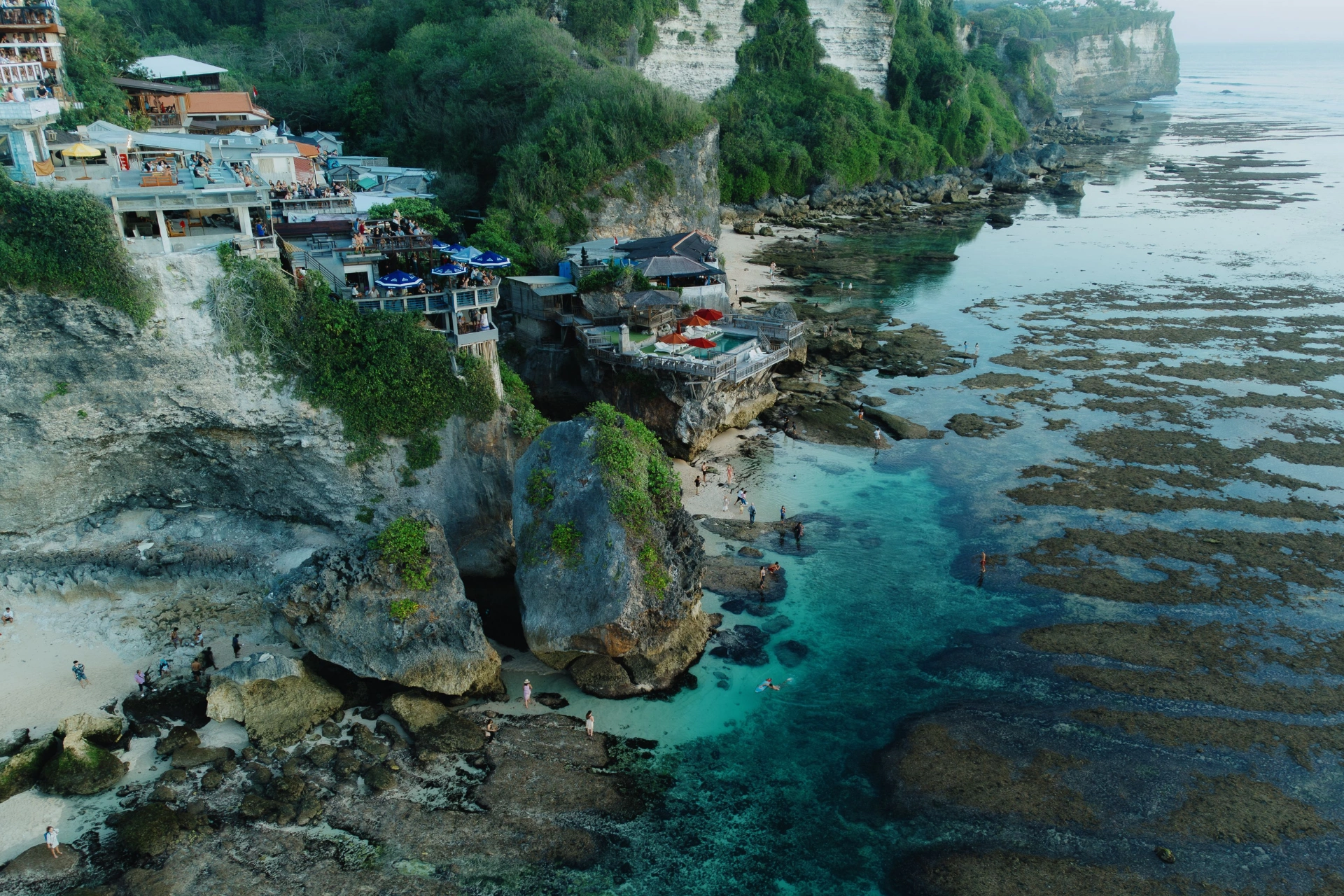




The Maldives is one of those places that feels like a dream. The turquoise lagoons, soft white beaches, and coral reefs make it a paradise above and below the surface. While most travelers come here to relax, many also want to explore the world beneath the waves. That is where two thrilling experiences come in: scuba diving vs sea walking.
Both activities open up a side of the Maldives most people never see. Scuba diving lets you move freely among fish, corals, and caves. Sea walking, on the other hand, allows you to walk calmly on the seabed while still breathing normally. The choice between them often depends on your comfort, curiosity, and level of adventure.
These activities might look similar at first glance, but the difference between sea walking and scuba diving is much deeper. One is about freedom and flow, while the other is about ease and simplicity. Whether you are traveling as a couple, with friends, or solo, both offer a beautiful way to connect with the underwater world.
This detailed guide will help you decide which one is right for you. From cost and safety to who should try what, here is everything you need to know before choosing between scuba diving vs sea walking in the Maldives.
Table of Contents
- All About Scuba Diving
- All About Sea Walking
- Is Scuba Diving and Sea Walking the Same?
- Scuba Diving vs Sea Walking: Safety and Comfort
- Cost and Accessibility: Which is Easier to Try?
- Who Should Try Scuba Diving?
- Who Should Try Sea Walking?
- Best Places to Try Scuba Diving and Sea Walking
- Scuba Diving vs Sea Walking: Which is Best for Couples?
- Final Verdict
- FAQs
All About Scuba Diving
.webp)
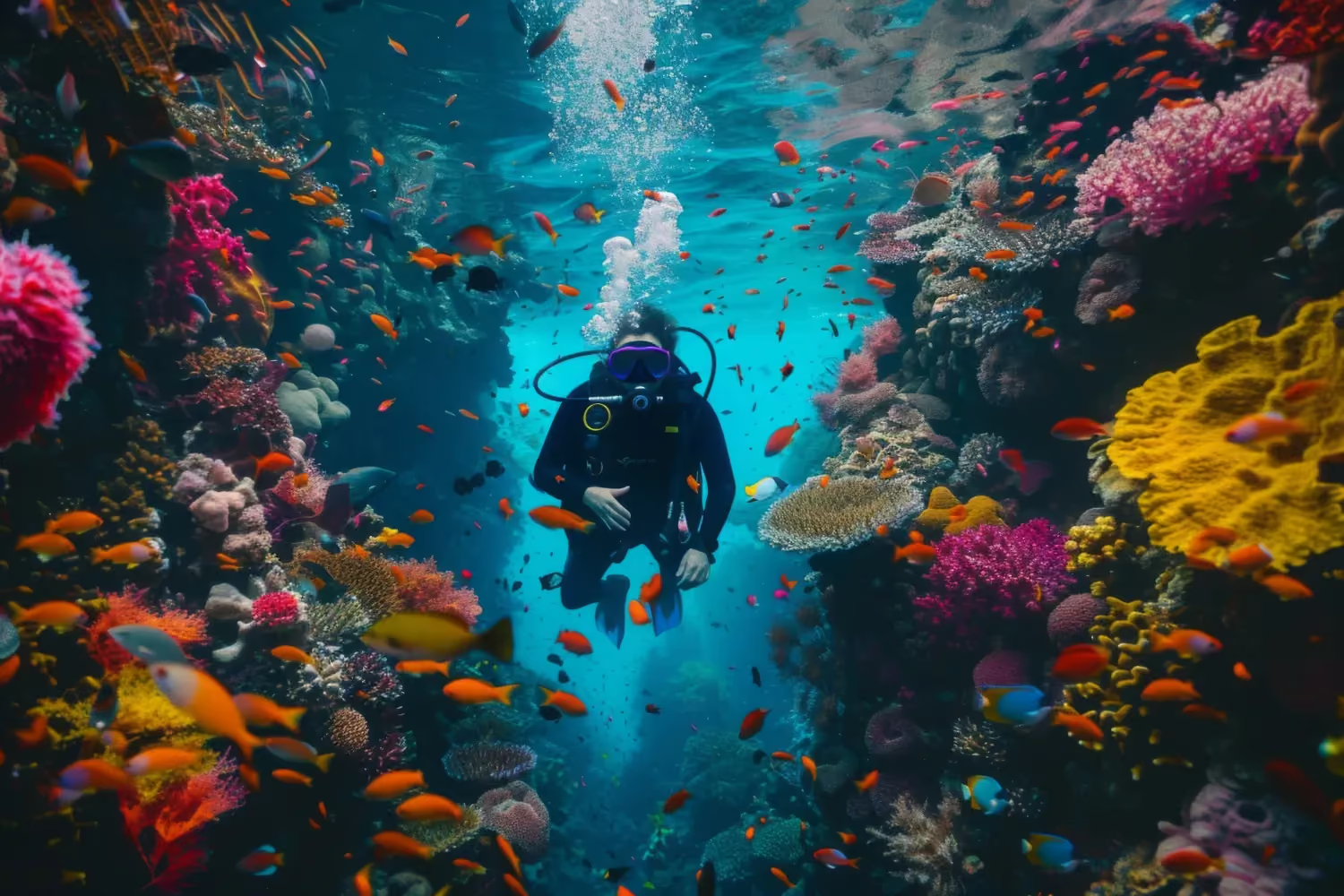
Scuba diving is one of the most popular water activities in the Maldives. It allows you to breathe underwater using a tank filled with compressed air and explore the ocean like a fish. Divers wear fins, a mask, and a wetsuit to glide smoothly through the sea.
The feeling of diving is unlike anything else. Once you descend, the sound of the world fades away, and all you can hear is your own breathing. The sight of colorful coral gardens, schools of fish, and gentle sea turtles makes it one of the most unforgettable experiences on Earth.
Instructors teach you everything you need to know before you dive. You learn how to use the breathing equipment, balance your body, and communicate underwater through simple hand signals. Whether you are a beginner or a certified diver, the Maldives offers countless dive sites with crystal-clear visibility and calm waters.
Best Time: The ideal period is November to April, when seas are calm, visibility is high, and currents are gentle. This applies to most Southeast Asian destinations like Thailand and the Maldives.
Duration: A standard beginner dive lasts about 30–45 minutes underwater, with the whole session including briefing and preparation taking around 2–3 hours. Multi-dive packages or liveaboard trips can last several hours to full days.
Scuba diving is perfect for those who love exploration and want to connect deeply with marine life. It is safe, exciting, and gives you a real sense of freedom.
Let 30 Sundays plan your perfect Maldives adventure from thrilling scuba diving sessions to peaceful sea walking experiences.
All About Sea Walking
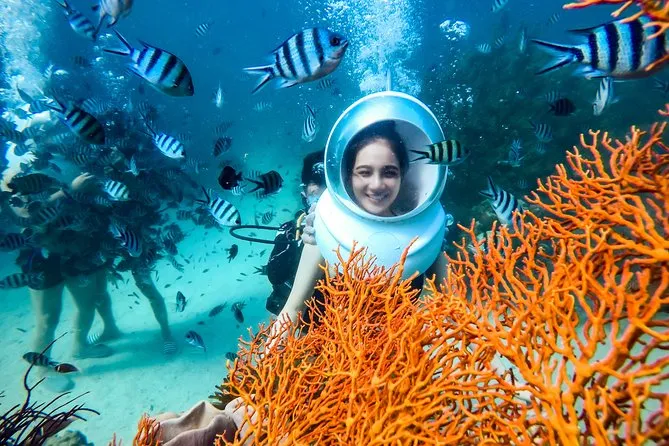
Sea walking is a unique underwater activity that lets you walk on the ocean floor without needing any diving experience. You wear a special helmet that supplies oxygen, so you can breathe normally and even keep your hair dry.
This experience takes place at a shallow depth, usually around six to seven meters. The best part is that you do not need to know how to swim. You climb down a ladder into the water, and the instructor guides you through the entire process.
It feels almost like walking on another planet. The fish swim close to you, the sand shifts gently beneath your feet, and the light from above creates beautiful patterns on the sea floor. It is calm, safe, and incredibly photogenic.
Best Time: Similar to scuba diving, November to April is best for calm waters and clear visibility. Morning sessions are usually recommended to avoid strong afternoon sun and wind.
Duration: Sea walking is shorter and easier for beginners, usually around 20–30 minutes underwater, with the full experience including preparation lasting about 1–1.5 hours.
Sea walking is ideal for families, couples, or first-timers who want to experience the underwater world without the complexity of scuba diving.
Is Scuba Diving and Sea Walking the Same?
Many travelers often wonder if scuba diving and sea walking are similar. The answer is no. The difference between sea walking and scuba diving lies in the depth, equipment, and overall experience.
In scuba diving, you move freely underwater with the help of fins and a tank. You can go deeper, explore longer, and see a wider range of marine life. Sea walking, however, keeps you at a shallow depth and allows you to walk instead of swim. It focuses more on comfort than exploration.
Scuba diving requires short training before you begin, while sea walking needs almost no preparation. Both are guided and safe, but they suit different types of travelers.
In short, scuba diving gives you adventure and discovery, while sea walking gives you simplicity and ease. The difference between sea walking and scuba diving is what makes both special in their own ways.
Discover the best of Maldivian flavors where every meal is as unforgettable as the view.
Scuba Diving vs Sea Walking: Safety and Comfort
Both scuba diving and sea walking in the Maldives are managed by certified instructors who follow strict safety protocols. However, each activity has its own comfort level and preparation process.
- Training and Preparation: Scuba diving involves a short training session where you learn breathing techniques and underwater hand signals. Once you understand these basics, the dive feels effortless and smooth.
- Ease of Experience: Sea walking requires no prior training. You wear a helmet, climb down a ladder, and start walking. It is simple and suitable for all ages, even those who cannot swim.
- Equipment Comfort: Scuba diving uses more gear, like a tank and fins, which gives full control and freedom underwater. Sea walking keeps equipment minimal, focusing on ease and comfort.
- Safety Support: Both experiences have professional guides who stay close throughout. Sea walking has added simplicity since you remain in shallow water and can resurface easily.
If you love learning and freedom, scuba diving feels rewarding. For those who prefer simplicity and zero effort, sea walking is the safer and easier option.
Cost and Accessibility: Which is Easier to Try?
When comparing scuba diving vs sea walking, cost and access can make a big difference for travelers.
- Scuba Diving Cost: In the Maldives, an introductory dive costs around ₹8,000 to ₹12,000 per person, while advanced dives can go up to ₹20,000 or more, depending on the resort. This includes gear, training, and a professional guide.
- Sea Walking Cost: Sea walking is more affordable, priced between ₹5,000 and ₹8,000 per person. It is a quick and easy way to explore underwater life without the long setup.
- Accessibility: Sea walking is available on most resort islands and requires no swimming skills. Scuba diving needs a short orientation and may have age or health restrictions.
- Value for Experience: Scuba diving offers a longer and deeper connection with the sea, while sea walking gives a short but beautiful glimpse of marine life.
Sea walking is easier and cheaper to try, while scuba diving provides more value for those who want a full underwater adventure.
Wondering how much a Maldives honeymoon really costs? Check out the budget breakdown of Maldives.
Who Should Try Scuba Diving?
Scuba diving suits travelers who crave adventure, exploration, and a deeper connection with the ocean.
- Adventure Seekers: Perfect for those who love exploring and want to discover coral gardens, marine caves, and schools of fish.
- Couples and Friends: Diving together creates shared memories that feel both romantic and thrilling. The silence underwater adds a sense of peace and togetherness.
- Nature Lovers: Ideal for travelers who want to experience the vast beauty of marine life, from turtles and rays to colorful coral reefs.
- Experienced Swimmers or Quick Learners: While beginners can dive safely, people who are comfortable in water will find it even more enjoyable.
Scuba diving is for those who love freedom, discovery, and learning something new beneath the waves.
Who Should Try Sea Walking?
Sea walking is designed for comfort, simplicity, and accessibility. It is a relaxing experience that anyone can enjoy.
- Beginners and Non-Swimmers: You do not need to know how to swim. The entire experience is guided, calm, and beginner-friendly.
- Families and Children: Great for family trips, as children above 10 can join with ease. It is safe and filled with wonder.
- Couples and Honeymooners: Perfect for romantic photos surrounded by fish. The calm walk under the sea feels dreamy and peaceful.
- Short on Time Travelers: Sea walking lasts only 20 to 30 minutes, making it ideal for those on tight schedules.
Sea walking is perfect for first-timers and couples seeking a simple, calm, and visually stunning underwater experience.
Dreaming of a private pool in paradise? Dive into luxury, featuring stunning resorts, private villas, and ocean views made for two. Your romantic escape starts here.
Best Places to Try Scuba Diving and Sea Walking
The Maldives offer some of the best underwater spots in the world. Whether you want to dive deep or walk on the seabed, these islands have ideal conditions.
- Maaya Thila: A popular scuba diving site in the North Ari Atoll, known for its coral formations and white-tip reef sharks.
- Banana Reef: One of the oldest and most beautiful dive sites in the Maldives, filled with soft corals and colorful fish.
- HP Reef: Ideal for experienced divers, with strong currents and vibrant coral walls teeming with marine life.
- Maafushi Island: Perfect for sea walking, offering shallow lagoons with gentle currents and clear visibility.
- Meeru and Kuramathi Islands: These islands have professional operators who provide both scuba diving and sea walking experiences.
From deep dives to calm walks, the Maldives has perfect locations for both adventures, each offering clear waters and vibrant marine life.
Scuba Diving vs Sea Walking: Which is Best for Couples?
For couples traveling to the Maldives, both scuba diving and sea walking can be deeply romantic. Scuba diving lets you explore side by side, sharing silent moments under the sea, surrounded by marine life.
Sea walking, on the other hand, is more relaxed. You can hold hands, pose for photos, and enjoy the calm surroundings together. Many couples prefer this for its simplicity and the chance to create picture-perfect memories.
If your idea of romance includes exploration and thrill, scuba diving is your pick. If you prefer calm moments and ease, sea walking fits perfectly. The difference between sea walking and scuba diving for couples is all about how you want to connect underwater.
Both create memories that stay long after you leave the islands. It feels adventurous and intimate at the same time.
Explore our handpicked Maldives honeymoon packages with beautiful budget-friendly resorts that offer romance, beaches, and comfort without breaking the bank.
Final Verdict
Choosing between scuba diving vs sea walking depends on what you want from your underwater experience. Scuba diving gives you depth, discovery, and freedom. Sea walking gives you simplicity, comfort, and beauty.
If you love learning and adventure, scuba diving will feel like magic. If you prefer ease and calm exploration, sea walking will win your heart. The Maldives provides the perfect setting for both, with its crystal-clear lagoons and warm waters teeming with life.
The difference between sea walking and scuba diving is not about which is better, but which suits you best. Each connects you with the ocean in a unique way, making you appreciate its quiet beauty.
Whichever one you choose, you will come back with stories that live in your heart forever. Both are safe, guided, and equally breathtaking in the Maldives.
Frequently Asked Questions
Which is better, sea walk or scuba diving?
Both sea walking and scuba diving offer amazing underwater experiences but differ in depth, comfort, and skill level. Scuba diving lets you explore deeper and stay longer, making it ideal for adventure lovers and couples seeking thrill. Sea walking is easier, perfect for beginners who want to enjoy marine life without swimming. For safety and accessibility, sea walking is simpler, but for a complete underwater adventure, scuba diving wins.
Is snorkelling easier than scuba diving?
Yes, snorkelling is easier than scuba diving because it doesn’t require training or heavy equipment. You simply float on the surface and breathe through a snorkel while watching the marine life below. Scuba diving, on the other hand, involves diving deeper with oxygen tanks and requires certification. Snorkelling is perfect for beginners or casual swimmers, while scuba diving suits those who want a more immersive underwater experience.
Is underwater walking safe?
Yes, underwater walking is generally very safe, especially when done under professional supervision. It takes place at shallow depths with trained instructors guiding every step. You wear a special helmet that provides a steady air supply, so there’s no need to swim or handle complex gear. Most people find it comfortable and beginner-friendly. As long as safety instructions are followed, sea walking is a secure and enjoyable experience for all ages.
Can non-swimmers do sea walking?
Yes, non-swimmers can absolutely do sea walking. It’s designed to be simple and safe, even for those with no swimming experience. You’ll walk on the seabed wearing a helmet that provides air, guided by professional instructors at all times. There’s no need to dive or float, making it one of the easiest underwater activities. That’s why sea walking is perfect for beginners and non-swimmers who still want to explore marine life up close.